What do you need to know before selling a lakeshore home in Minnesota's east metro?
Selling a lakeshore home in Minnesota's east metro adds three checks a normal inland sale skips. Washington County requires a point-of-sale septic (SSTS) compliance inspection before title transfers, shoreland zoning controls your setback from the ordinary high water level and limits what a buyer can rebuild or expand, and the DNR now urges an aquatic invasive species (AIS) inspection of your dock and lift before any sale. Sort out the septic, the shoreland status, and the dock before you list, not after you have an accepted offer, and you protect both your price and your closing date.
By Darin Bjerknes | July 22, 2026
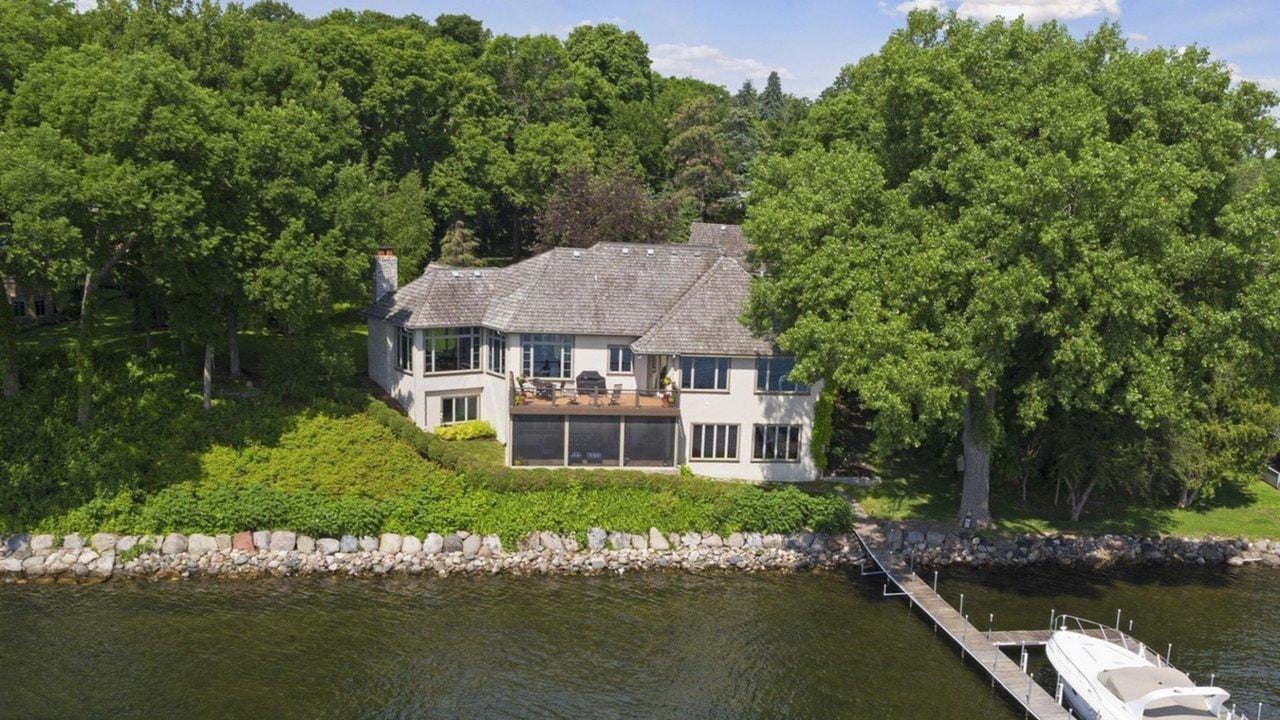
Here is the sale I watch play out every July on White Bear Lake, Bald Eagle Lake, and Big Carnelian. The dock is in, the water is warm, a buyer falls for the place on a Saturday showing, and everyone wants to move fast. Then the compliance file catches up with the emotion. The septic needs a point-of-sale inspection nobody scheduled, the boathouse turns out to sit inside the shore setback, or the buyer's lender starts asking about flood insurance. A clean summer sale stalls into a nervous August.
A lakeshore sale in the east metro is not a normal sale with a better view. You are selling inside three overlapping systems: Minnesota's shoreland rules, the county's septic and well requirements, and the DNR's aquatic invasive species laws. Any one of them can slow a closing or cost you leverage if a buyer's agent finds the problem before you do.
Here is what I put every lake seller through before we put a sign in the yard. Get these three pieces right up front, and your summer buyer stays your summer buyer.
Why a lakeshore sale carries extra weight
Summer is the season for this. June and July are when Minnesota lake homes sell fastest, and a buyer who stands on your dock on a blue-sky Saturday makes an emotional decision no listing photo can match. As of mid-July 2026, Washington County had roughly 136 active lake listings averaging around $902,000, White Bear Lake was near $1.05 million for waterfront, and Bald Eagle Lake sat close to $1.03 million. That is real money, and buyers at that level bring inspectors, lenders, and agents who know exactly what to look for on the water.
The extra weight comes from the fact that a lake parcel is regulated all the way down to the water. Minnesota's statewide shoreland rules set the minimum standards, but the county, city, or township actually administers them. So your answers live in a Washington County ordinance, a Stillwater or Bayport zoning office, or a watershed district, not in a single state website. That is exactly why buyers lean on a local agent for these sales, and why a seller who walks in with a clean file has a real pricing advantage.
The septic and well checks that stop closings
Most east metro lake homes run on a private well and a subsurface sewage treatment system (SSTS), not city utilities. Both trigger their own paperwork at a sale.
Washington County requires an SSTS compliance inspection before a property with a septic system transfers, unless a compliance inspection has already been filed with the county within the last three years, or the system is new or replaced with a certificate of compliance within the last five years. The county does not do the inspection itself. You hire a licensed inspection business, and you can find one through the Minnesota Pollution Control Agency. The rules that govern the system are in Minnesota Rules Chapter 7080.
Schedule that inspection before you list. If your system fails, and older lakeshore systems near the water do fail, a replacement drainfield can run tens of thousands of dollars and needs to fit inside the same shoreland setbacks that govern everything else on the lot. That is a problem you want to solve on your timeline, not inside a 10-day inspection window with a nervous buyer.
The well has its own rule. Minnesota's Ground Water Protection Act, Statute 103I.235, requires you to disclose in writing the location and status of every known well on the property, marking each one as in use, not in use, or sealed. At closing you sign a well disclosure certificate with the legal description down to the quarter section. If you knew about a well and did not disclose it, the buyer has six years to come after you for the cost of sealing it, plus attorney fees. Old sand-point wells and abandoned wells are common on lake lots, so this is not a formality.
Shoreland zoning: setbacks, nonconforming structures, and what your buyer can actually do
This is the part that surprises sellers. Minnesota's shoreland rules (Minnesota Rules 6120.2500 to 6120.3900) set a structure setback from the ordinary high water level (OHWL) that is typically 75 feet on a general development lake without city sewer, with the first half of that distance, roughly 37.5 feet, treated as the shore impact zone. Total impervious surface, meaning roof, driveway, and patio, is generally capped at 25 percent of the lot. Lakes are classified into categories, and sewered lots can sometimes build closer.
A lot of older east metro cabins and lake homes were built before those rules existed. That makes them legally nonconforming, or grandfathered. You can keep, repair, and often replace a nonconforming structure, but you generally cannot expand it in a way that increases the nonconformity. For a buyer, that is the whole ballgame. The person who wants to tear down your 1960s rambler and build their forever home needs to know whether they can, and where. I tell sellers to get a survey and, where the county offers one, a record of nonconformity or a verification letter before listing. It turns a buyer's biggest question mark into a document in the disclosure packet.
Two more shoreland facts change how a buyer sees your lot. First, you own the land down to the OHWL, and the state owns the lakebed below the ordinary low water level on most navigable lakes. Second, that shoreline vegetation is protected. Intensive clearing in the shore impact zone is not allowed, though limited trimming for a view corridor and a path to the water is, generally up to 50 feet or half your lot width. A buyer who assumes they can clear the whole bank for a beach is in for a surprise, and you are better off setting that expectation than letting it blow up an inspection.
If your home sits on the St. Croix, the rules tighten. The Lower St. Croix is a national Wild and Scenic River, and cities like Stillwater, Bayport, Afton, Lakeland, and Lake St. Croix Beach administer a riverway overlay. Setbacks from the OHWL run from 100 feet in urban districts to 200 feet in rural ones, with bluff setbacks of 40 to 100 feet. North of Stillwater is a federal management zone, and from Stillwater south is state managed. For a riverfront seller, those numbers decide what a buyer can build, so they belong in your listing conversation from day one.
The dock, the lift, and the AIS inspection buyers now ask for
On June 23, 2026, the Minnesota DNR issued a reminder that changes how docks and lifts should change hands: check for aquatic invasive species before you buy or sell a dock, lift, boat, or any water equipment. Zebra mussels hide on posts, footings, wheels, and the underwater bars of docks and lifts, and Minnesota's invasive species law, Statute Chapter 84D, carries real penalties. Attached aquatic plants draw a $200 civil citation, attached zebra mussels or other prohibited species draw $500 or a misdemeanor, and repeat violations double.
Here is what that means for your sale. If the dock and lift convey with the house and stay in place, you are usually fine. The friction shows up when equipment moves. A used dock or lift must be out of the water and dry for 21 days before it goes into another lake, and anyone transporting a dock or lift with attached zebra mussels for decontamination needs a free DNR transport permit. The clean, drain, and dispose rules apply to everything that touches the water.
My advice is simple. Decide early what conveys, put it in writing, and hire a DNR-permitted lake service provider to install and remove the dock and lift. They know the AIS law, they document the equipment, and they keep both you and your buyer out of a penalty. On a permitting note, most residential docks need no DNR permit as long as no section is wider than 8 feet and the dock is no longer than needed to reach navigable water, and a seasonal lift or canopy up to 8 feet wide is fine too. Riprap and a modest sand blanket generally do not need an individual permit either, but weed or algae control usually needs an aquatic plant management permit, and your watershed district wants 7 days' notice before shoreline work.
Your three paths to a clean closing
Once you know your septic status, your shoreland conformity, and your dock situation, you have the same three choices I lay out for any complicated sale.
The first path is to fix and document before listing. Pass the septic inspection, seal the abandoned well, pull the survey and nonconformity record, and hire the permitted crew for the dock. This nets the most money because the buyer inherits certainty, and certainty is what commands full price on a lake.
The second path is to disclose and adjust the price or escrow. If a repair cannot happen before closing, Minnesota's disclosure law (Statute 513.55, with two years of liability under 513.57) requires you to put the known issue in writing anyway. You then offer a price credit, or the title company holds back funds, often around 150 percent of the estimated cost, until the work is done after closing.
The third path is to sell as-is to a cash or lake-savvy buyer. When the combined cost of a failed septic, a nonconforming structure, and dock work climbs past what a financed buyer will absorb, an as-is sale to someone who knows waterfront can be the cleaner move, usually at a discount to market. Whichever path fits, the disclosure duty does not go away, and neither does the shoreland file.
How to prepare your east metro lakeshore home for sale
- Order the septic compliance inspection. Confirm whether your last filed inspection is within Washington County's three-year window. If not, schedule a licensed inspector before you list.
- Run the well disclosure. Locate every well on the property, in use, not in use, or sealed, and get abandoned wells sealed by a licensed contractor.
- Pull your shoreland file. Get a current survey, and where available a record of nonconformity or verification letter, so a buyer knows the setbacks and what they can build.
- Settle the dock and lift. Decide what conveys, inspect for zebra mussels, and book a DNR-permitted lake service provider to handle install and removal.
- Build the disclosure packet. Combine septic, well, survey, permits, flood-zone status, and any lake association dues or assessments into one clean file before the first showing.
Frequently Asked Questions
Do I need a septic inspection to sell my lake home in Washington County?
Yes, in most cases. Washington County requires an SSTS compliance inspection before a property with a septic system transfers, unless a compliance inspection was already filed within the last three years or the system is new or replaced within the last five years. You hire a licensed inspector, not the county, and you should schedule it before you list.
Can a buyer tear down and rebuild a nonconforming lake home in Minnesota?
It depends on your setbacks and local ordinance. A legally nonconforming structure can usually be repaired or replaced, but generally cannot be expanded in a way that increases the nonconformity, and any rebuild has to work within the shoreland setback from the ordinary high water level. A survey and a record of nonconformity answer this question before it derails a sale.
Do I have to inspect my dock for zebra mussels before selling?
The DNR strongly recommends it. As of June 2026, the DNR urges buyers and sellers to check docks, lifts, and boats for aquatic invasive species before any sale. If equipment moves to another lake it must be dry for 21 days first, and moving a dock with attached zebra mussels for decontamination requires a free transport permit under Minnesota Statute Chapter 84D.
What has to be disclosed when selling a lakeshore home in Minnesota?
You must disclose all known material facts under Minnesota Statute 513.55, plus the location and status of every well under Statute 103I.235. For lake homes that also means septic records, shoreland permits, dock approvals, flood-zone status, and any lake association dues or pending assessments. The disclosure duty runs even on an as-is sale, with two years of liability under Statute 513.57.
Is now a good time to sell a lake home in the east metro?
Summer is the strongest season for waterfront in Minnesota. June and July see the fastest sales and the deepest pool of lake buyers, and mid-2026 inventory across Washington County's lakes gives sellers real activity while keeping the market close to balanced. A home that shows well on the water with a clean compliance file can move quickly at this time of year.
Ready to sell your lake home the right way?
Selling a lakeshore home in the east metro comes down to three files: your septic and well, your shoreland conformity, and your dock. Get them handled before you list, and the summer buyer who falls for your view stays under contract all the way to closing.
Thinking about selling a lake home in White Bear Lake, Stillwater, or anywhere in the east metro? Let's build your shoreland and compliance file before the first showing so nothing stalls your sale. Reach out at [email protected] or book a call at calendly.com/darintheminnesotan. No pressure, just a straightforward conversation about your lake, your timeline, and what the market looks like for you right now.
About Darin Bjerknes
Darin Bjerknes is a licensed REALTOR® with Minnesōtan, Brokered by REAL, serving the Twin Cities east metro. He works with move-up and luxury buyers and sellers across Woodbury, Afton, Stillwater, Cottage Grove, Lake Elmo, White Bear Lake, and the surrounding Washington and Ramsey County communities, including the lakes and the St. Croix riverfront. Connect with Darin at DarinBjerknes.com or call 612-702-5126.
Darin Bjerknes | Minnesōtan, Brokered by REAL | [email protected]