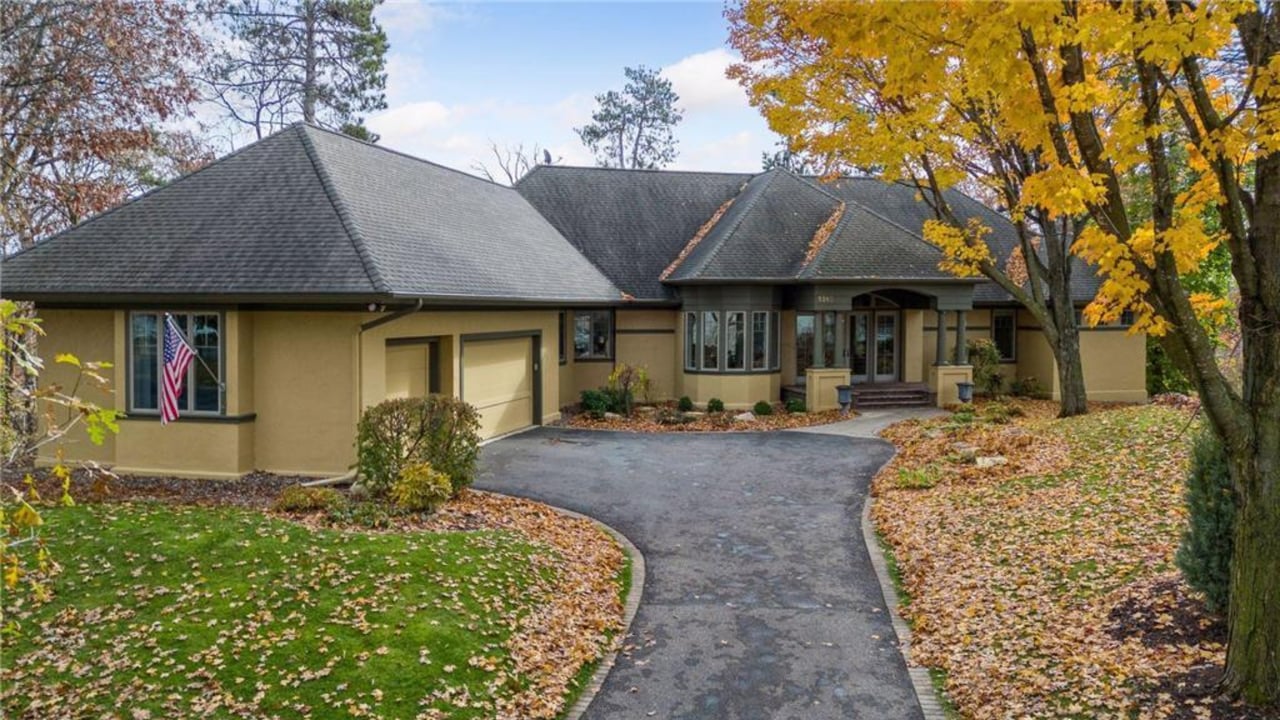
How does buying a tax-forfeited property work in Washington County, Minnesota?
Washington County sells tax-forfeited property at public auction at the Government Center in Stillwater. Bidding starts at the parcel's most recent estimated market value, and if a property doesn't sell within 30 days, the starting bid drops to the amount of delinquent taxes, assessments, penalties, interest, and costs. Winning bidders pay in full at the sale, plus a 3% surcharge, a $25 State Deed fee, state deed tax, and recording costs, and receive a State Deed from the Minnesota Department of Revenue. The catch: most title insurers won't insure a tax-forfeited title for one to three years without a quiet title action, so plan on paying cash and budgeting for an attorney before you can resell or finance the property.
By Darin Bjerknes | August 20, 2026
Every few months, a list of tax-forfeited parcels shows up on the Washington County website, and my phone starts ringing. With Twin Cities inventory at a seven-year high and the metro median sale price sitting around $408,000, buyers hunting for a deal see a county auction with a vacant lot in Oakdale or an odd parcel near Cottage Grove and think: this is my way in.
Sometimes it is. I've watched buyers pick up land at these auctions for a fraction of what a comparable MLS listing costs. I've also watched buyers wire their savings into a parcel they couldn't insure, couldn't finance, and couldn't build on.
Here's how the process actually works in Washington County, what it costs, and the title problem nobody mentions until after you've won the bid.
What a tax-forfeited property actually is
When a Minnesota homeowner stops paying property taxes and the redemption period runs out, the property forfeits to the State of Minnesota. The state holds it in trust, and the county administers it. I covered the seller's side of this timeline in my post on selling a home with delinquent property taxes in Minnesota. This post is the other side of that transaction: what happens when you're the one buying.
Before anything hits an auction, the Washington County Board classifies each parcel as conservation or nonconservation under Minnesota Statute 282.01. Cities and other government bodies get a chance to acquire parcels for public use first. What's left goes to public sale.
That filtering explains why the auction list looks the way it does. You'll see a few houses, but you'll see far more vacant lots, outlots, landlocked slivers, and drainage strips: the parcels no city wanted. Some are genuinely buildable. Many are not, and the county makes no promise either way. Every parcel sells as-is, with no warranty that it conforms to local zoning or that you can ever put a structure on it.
Newly forfeited property is generally offered at an initial public auction within six months of forfeiture or the date the property was vacated. Under the 2024 changes that followed the U.S. Supreme Court's Tyler v. Hennepin decision, counties now run these sales knowing any surplus above the tax debt belongs to the former owner, so parcels move to public auction on a more predictable schedule than they did a few years ago.
How the Washington County auction works, step by step
Washington County holds its tax-forfeited auctions at the Government Center, 14949 62nd Street North in Stillwater. Here's the sequence I walk buyers through:
- Watch the list. The county posts sale notices at least 30 days before an auction on its Tax Forfeited Land page, and you can subscribe to email notifications. Unsold parcels from past auctions are often available over the counter at the minimum bid.
- Research the parcel like the county won't. Because it won't. Pull the plat, check zoning with the city (Woodbury, Oakdale, and Lake Elmo all have minimum lot standards), look for wetlands, verify legal access, and drive the property. If a structure exists, assume you will not get inside before bidding.
- Register and bid. Bring a valid photo ID to get a bidding card. Bidding on newly offered parcels starts at the most recent estimated market value. If a parcel doesn't sell, the county can reduce the starting bid after 30 days to the total of delinquent taxes, special assessments, penalties, interest, and costs. That reduction is where the real bargains surface, and where the competition shows up.
- Pay in full, plus the extras. Washington County accepts payment at the time of sale, including personal check. On top of your bid, expect a 3% surcharge that funds the state's assurance account, a $25 State Deed fee, state deed tax at 0.33% of the price, and roughly $46 to record the deed. On a $150,000 winning bid, that's about $5,066 in extras: $4,500 surcharge, $495 deed tax, $25 deed fee, and recording.
- Wait for the State Deed. The Minnesota Department of Revenue issues the deed, and Washington County Property Records & Taxpayer Services records it. Property taxes become your responsibility starting the year after purchase.
One more path worth knowing: if the parcel next to your house is an unbuildable strip or outlot, Minnesota law lets counties sell those directly to adjoining owners through a private sale. I've seen Woodbury and Oakdale homeowners add a side yard this way for less than the cost of a fence. If a forfeited sliver borders your lot, call the county before it ever reaches auction.
The part nobody tells you: a State Deed is not an insurable title
The State Deed wipes out prior delinquent taxes and most old liens. What it doesn't give you is a title a title company will stand behind on day one.
Most Minnesota title insurers won't write a policy on a tax-forfeited property for one to three years after the sale. The reason is Minnesota Statute 284.28, which gives parties a window to challenge the forfeiture after the county records its certificate of forfeiture. Until that window closes, or until a court cuts off every old claim, the title is technically vulnerable. And under Minnesota Statute 282.241, the former owner can repurchase right up until the county finalizes your sale, which means your winning bid can be canceled and refunded at the last minute.
In practice, that means three things:
- You're paying cash. No lender will mortgage an uninsurable title, and there's no financing contingency, no inspection contingency, and no refund. This is nothing like buying with an owner's title insurance policy behind you.
- You'll likely need a quiet title action before you sell or refinance. A Minnesota real estate attorney files it in district court to extinguish old claims and make the title insurable. Plan on roughly $1,500 to $5,000 and three to six months if uncontested. Registered (Torrens) land runs through the Examiner of Titles, which I explain in my post on Abstract vs. Torrens title in Minnesota.
- No abstract comes with the property. If it's abstract land, recreating the title history is your project and your cost.
If the property is occupied, eviction is your problem too, not the county's. Price that into your bid.
So is a Washington County tax auction actually a deal?
For the right buyer, yes. Cash buyers who can sit on a property through the insurability window, adjacent owners buying a strip of land, and patient investors who build the quiet title cost into their numbers do well here. The 30-day bid reduction can put land in your hands for little more than the back taxes.
For a buyer who needs financing, needs to occupy soon, or needs certainty, the regular market is the better deal right now. With 2.8 months of supply and sellers negotiating again across the east metro, you can buy a Woodbury or Cottage Grove home with an inspection, title insurance, and a clean closing at a title company. The auction discount only matters if you can survive everything the auction strips away.
The math is parcel-specific: assessed value versus realistic resale value, quiet title costs, carrying costs, and what the city will actually let you do with the land. That's exactly the kind of question I run through with clients before auction day, and it's a 20-minute conversation that has saved people six-figure mistakes.
Frequently Asked Questions
Where does Washington County hold its tax-forfeited land auctions?
At the Washington County Government Center, 14949 62nd Street North in Stillwater. Sale notices post at least 30 days ahead on the county's Tax Forfeited Land page, and unsold parcels are often available over the counter afterward at the minimum bid.
Can I get a mortgage to buy a tax-forfeited property in Minnesota?
No. Tax-forfeited sales are effectively cash purchases because lenders won't finance a property that can't be title-insured at closing. Financing and renovation loans usually become possible only after a quiet title action makes the title insurable.
What extra costs do I pay on top of my winning bid?
Washington County collects a 3% surcharge for the state assurance account, a $25 State Deed fee, state deed tax at 0.33% of the purchase price, and about $46 in recording fees, all due at the time of sale. Property taxes become due and payable starting the year after your purchase.
Why won't title companies insure a tax-forfeited property right away?
Because Minnesota law leaves a window after forfeiture during which former owners or lienholders can challenge the process under Minnesota Statute 284.28. Most insurers wait one to three years or require a completed quiet title action before issuing a policy.
Can the former owner get the property back after I buy it?
Under Minnesota Statute 282.241, the former owner can repurchase by paying the full tax debt, but only until the county finalizes the sale. If that happens before your purchase closes, your bid is canceled and your money refunded. After the State Deed issues, repurchase rights end, though the challenge window above still applies.
Tax-forfeited auctions reward preparation and punish impulse. The list price looks like the whole story, and it never is.
Thinking about bidding on a tax-forfeited parcel in Woodbury, Stillwater, or anywhere in the east metro? Let's look at the parcel together before you register: zoning, realistic resale value, and what the total cost actually looks like after quiet title. Reach out at [email protected] or book a call at calendly.com/darintheminnesotan. No pressure, just a straightforward conversation about whether this parcel is a deal or a trap.
About Darin Bjerknes
Darin Bjerknes is a licensed REALTOR with Minnesōtan, Brokered by REAL, serving the Twin Cities east metro for over 20 years. He specializes in move-up buyers and the luxury segment across Woodbury, Afton, Stillwater, Cottage Grove, Lake Elmo, and surrounding Washington, Ramsey, and Dakota County communities. Connect with Darin at darinbjerknes.com or call 612-702-5126.