Minneapolis Named to the Michelin Guide: What It Means for the Twin Cities
Minneapolis has officially been named to the Michelin Guide.
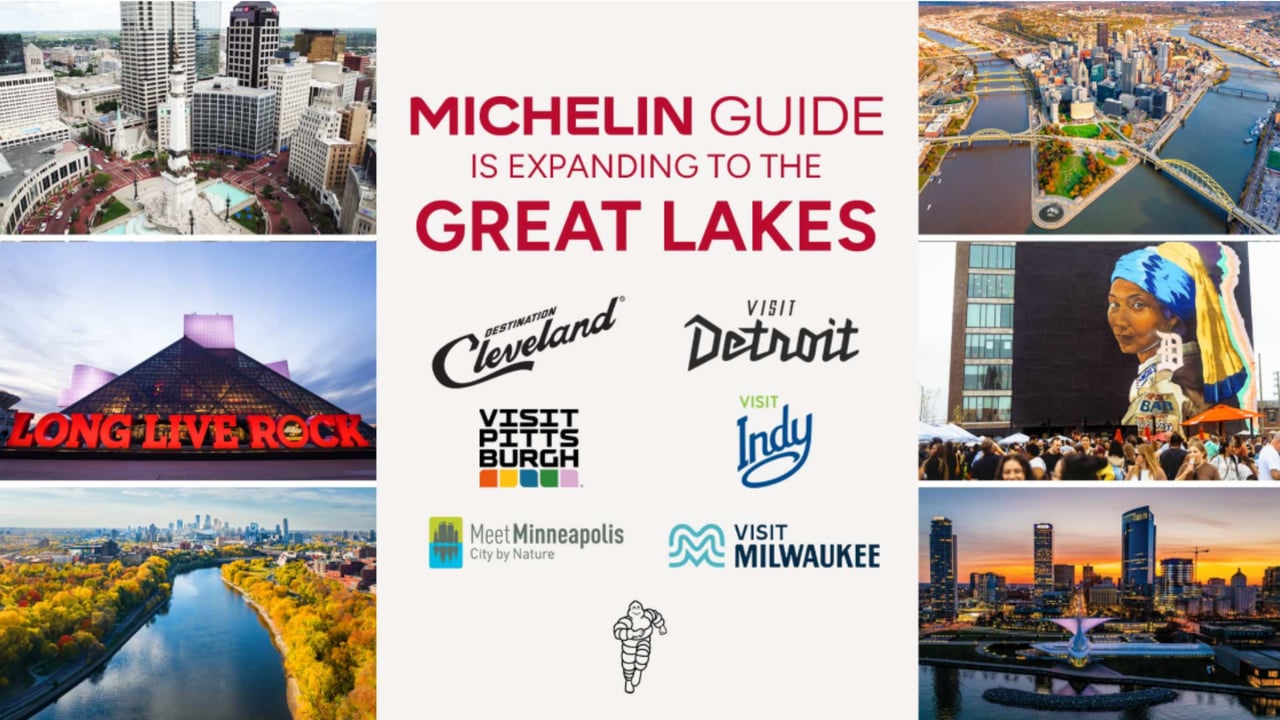
The Michelin Guide American Great Lakes was announced this week, placing Minneapolis alongside five other regional cities:
- Milwaukee
- Cleveland
- Detroit
- Indianapolis
- Pittsburgh
The announcement came from Gwendal Poullennec, the international director of Michelin Guides, at a press conference in Milwaukee supported by Meet Minneapolis and the Minneapolis Tourism Improvement District.
What the Michelin Guide Actually Is
If you're not deep in the food world, here's the quick version.
Michelin, the French tire company, created the guide to help travelers find quality restaurants. It has since become one of the most respected and influential dining endorsements in the world.
The guide awards up to three stars:
- One star
- Two stars
- Three stars (worth a special journey)
Chicago has had Michelin coverage since 2011. New York has been evaluated for years.
Minneapolis has been notably absent — until now.
What Happens Next
Anonymous Michelin inspectors are already working in Minneapolis.
The selection process is notoriously secretive, so the public won't learn which restaurants earned stars until 2027.
That waiting period is part of what makes the guide so credible:
- No lobbying
- No public campaigns
- Just quiet, professional evaluation
Chef Gavin Kaysen — owner of Spoon and Stable and Demi, and the chef at Mara at the Four Seasons — has been one of the most vocal advocates for bringing the guide to Minneapolis.
He has long argued that Michelin recognition would be a major driver for restaurants, hotels, and regional tourism.
What It Costs and Who's Paying
Michelin Guide inclusion isn’t free.
The Minneapolis Tourism Improvement District is committing:
- $250,000 per year
- For three years
This helps fund and promote the guide.
That level of investment aligns with other cities:
- North Carolina paid more than $1 million over three years
- Atlanta paid roughly $1 million over its initial three-year agreement
Kaysen summed it up simply: it’s no different than putting up billboards.
What It Means for Minneapolis Real Estate and Neighborhoods
This is where the story connects to the market.
Michelin recognition doesn’t just affect restaurants — it signals a city that’s taken seriously on a national and international stage.
That drives:
- Tourism
- Hotel development
- Corporate interest
- Neighborhood investment
The dining scene in Minneapolis — particularly in areas like the North Loop and downtown — has long punched above its weight. Michelin now puts a formal stamp on what locals already know.
Meet Minneapolis CEO Melvin Tennant said it directly: Minneapolis has earned national acclaim for years, and the Michelin Guide removes any remaining doubt.
Important Limitation to Know
The guide covers Minneapolis city limits only.
That means:
- St. Paul’s acclaimed restaurants, including Myriel, will not be included
- Chef Karyn Tomlinson, who won the James Beard award for Best Chef Midwest last year, is also outside the guide’s scope
- Suburban standouts like Travail Kitchen and Amusements in Robbinsdale are not included
The Bottom Line for Buyers and Investors
If you're evaluating Minneapolis as a place to live, invest, or relocate, the Michelin announcement is another strong data point.
Cities with world-class dining attract world-class attention.
That matters for:
- Property values
- Neighborhood development
- Long-term market momentum
Thinking about buying or selling in the Twin Cities? Let’s talk.
Text Darin Bjerknes at 612-702-5126 or DM on Instagram @darintheminnesotan.