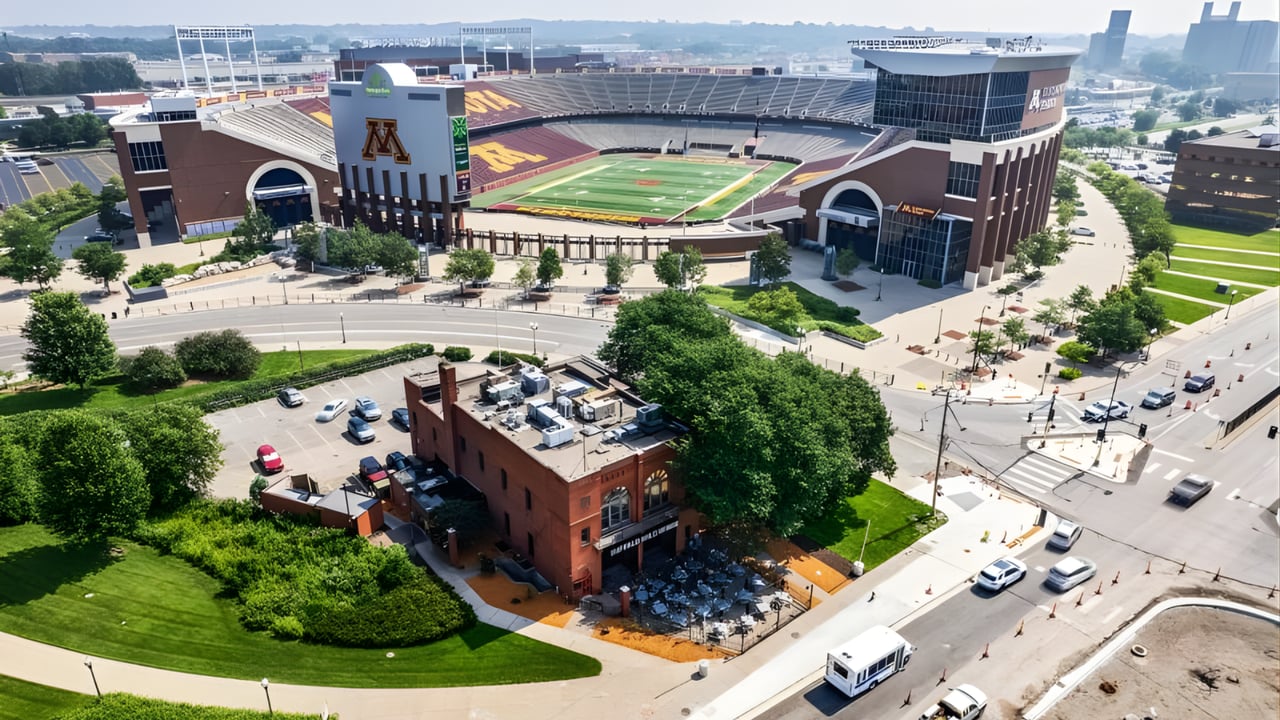
University of Minnesota Buys Station 19 in Dinkytown
The University of Minnesota just made another strategic real estate move in Dinkytown, and it could shape the future of the area more than most people realize.
The university purchased the Station 19 property at 2001 University Ave. SE for $8 million. If you’ve spent any time near campus, you likely recognize this building as the home of Buffalo Wild Wings.
Why This Location Matters
This isn’t just any property.
Station 19 sits at a highly visible corner near Huntington Bank Stadium, one of the busiest areas in Dinkytown. Even more important, the University of Minnesota already owns much of the surrounding land.
That makes this acquisition less about a single building and more about long-term control.
When institutions like the U of M start consolidating land in key areas, it often signals future redevelopment or expansion plans.
What Happens to Buffalo Wild Wings?
For now, not much changes.
Buffalo Wild Wings will continue operating as usual because the university is taking over the existing lease. This keeps the current tenant in place while allowing the university flexibility for future decisions.
The second floor of the building, which previously housed office space, will be repurposed for university offices.
Could This Become a Larger Development?
Here’s where things get interesting.
When the property was listed for sale in 2025, marketing materials included concepts for a potential 10-story apartment building on the site.
While nothing has been officially announced, that kind of density aligns with what we’re already seeing across Dinkytown and the broader Minneapolis area.
More student housing.
More mixed-use development.
More vertical growth.
What This Means for Dinkytown
Dinkytown has been evolving quickly over the past decade.
Older, smaller buildings are being replaced with larger developments. Institutional ownership is increasing. And the area is becoming more dense and more modern.
This purchase fits directly into that trend.
The big question is whether this improves the area or changes its character too much.
For buyers, sellers, and investors watching Minneapolis real estate, moves like this are worth paying attention to. They often signal where future growth and demand will follow.
If you’re thinking about buying or selling in Minneapolis or the Twin Cities, understanding these trends can give you a real advantage.