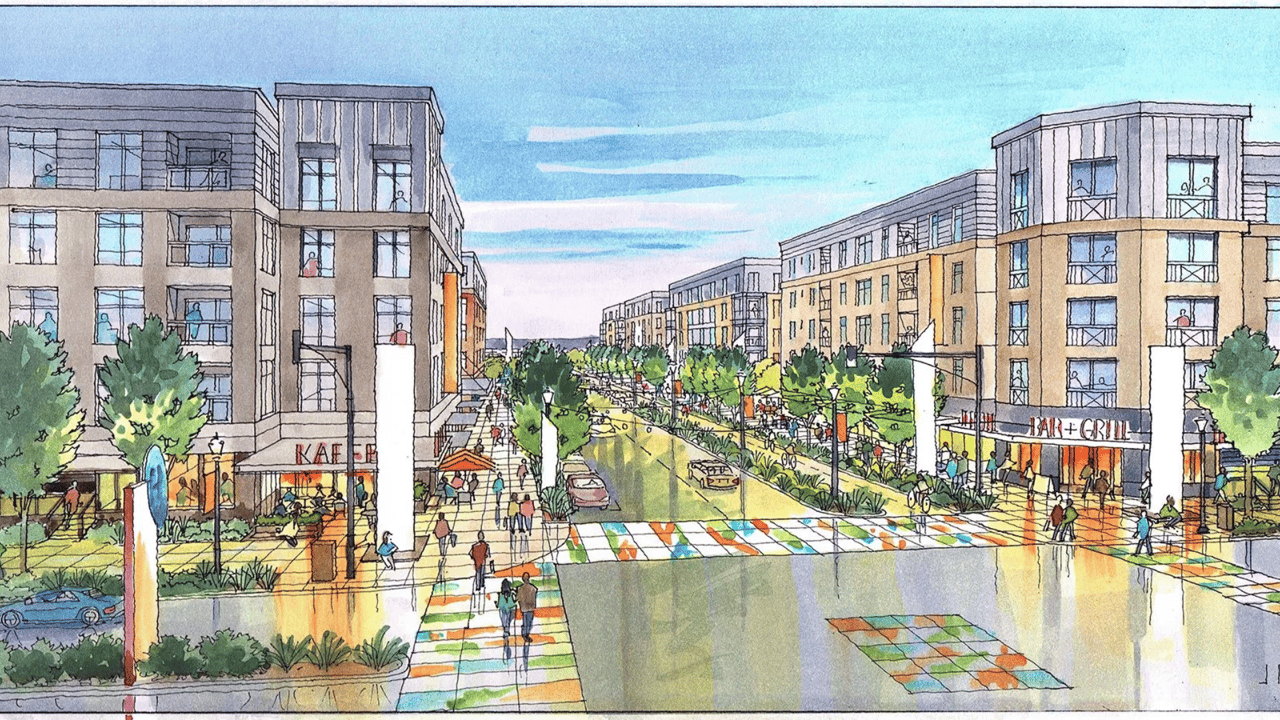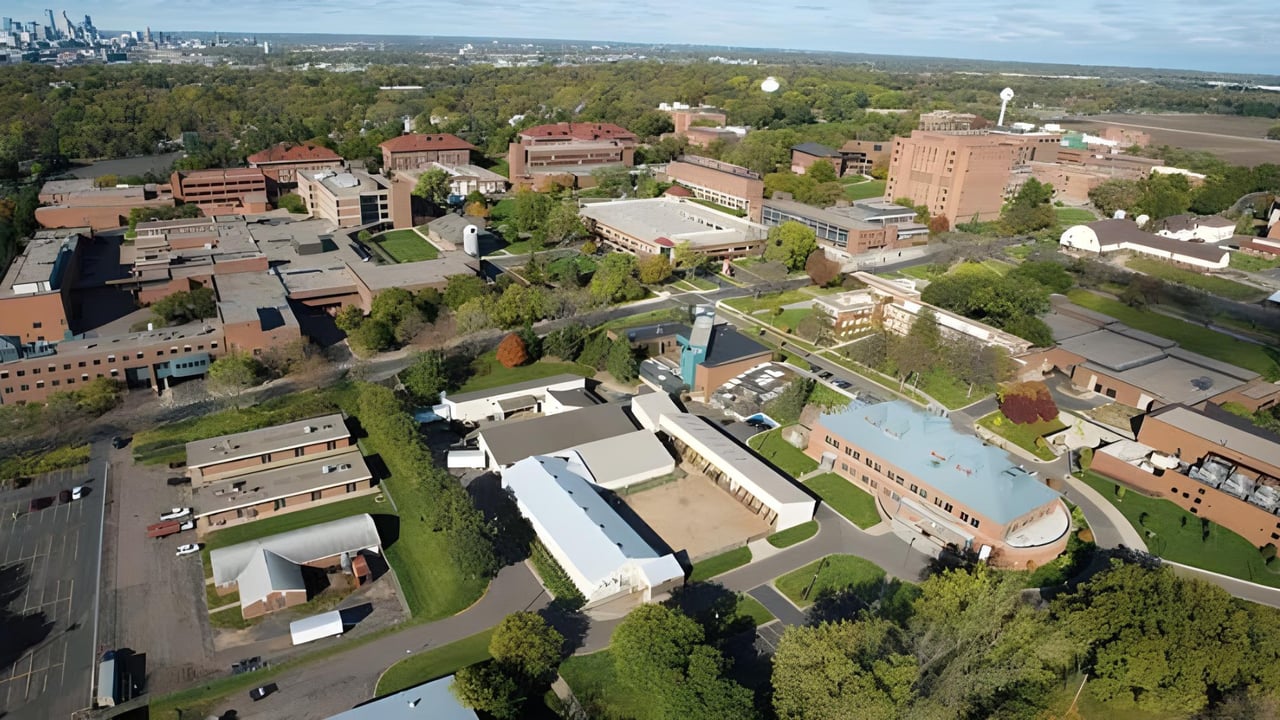
The University of Minnesota is planning a $100 million residence hall and dining facility on its St. Paul campus. The project would add 500 beds for undergraduate students, and the university is now accepting design proposals through Oct. 28. For the St. Paul campus, it’s a major step forward.
What the U of M Is Building in St. Paul
The new facility is planned for the site north of Buford Avenue and west of Buford Circle, which is currently home to Bailey Hall, a dining center, and a student center complex. The university says the goal is to meet demand for modern on-campus housing for undergraduates.
Construction is targeted to begin in summer 2028, with substantial completion planned for April 2030. The building will follow Minnesota B3 Guidelines for sustainable design, a state framework focused on reducing energy use and creating healthier indoor spaces.
The most telling detail is that the design must allow for future growth. University architect Paul Lawton described the plan as a 500-bed first phase with potential to expand afterward. Later phases could include more traditional residence hall space or apartment-style units for upper-division undergraduates and graduate students.
Part of a Bigger Push for the St. Paul Campus
This residence hall is one piece of a broader revitalization effort. A separate $126 million campus center is planned at 1984 Buford Ave., where Magrath Library stands today. Minneapolis-based Alliiance is leading design, and Golden Valley-based Mortenson is handling construction.
Early abatement and limited demolition at Magrath have already started, with more visible activity expected by early spring. The 2026 state bonding bill includes $35 million for the campus center and $40 million for U of M asset preservation.
University leaders have been candid that the St. Paul campus is behind on reinvestment. The campus is home to agriculture, food science, natural resources, and human development programs, and these projects are meant to bring more students and more activity to that side of the river.
What It Means for St. Paul and the Twin Cities
A timeline that runs into 2030 means construction will be part of daily life around the St. Paul campus for years. If you live in or drive through the surrounding neighborhoods, expect more crews, equipment, and traffic changes as both projects move forward.
The phased design is worth paying attention to. Planning for expansion from day one suggests the university expects housing demand on the St. Paul side to continue. More students living on campus means more foot traffic, more everyday activity, and more demand for the shops and services nearby.
For homeowners and buyers keeping an eye on St. Paul, long-term institutional investment like this is one of the signals worth tracking. It shows commitment to an area over the next decade, not just the next school year. [INTERNAL LINK: Twin Cities market update or St. Paul neighborhood guide]
We’ll keep following both projects as design work moves forward and construction gets closer.
Follow for daily Twin Cities news and updates.