Can you get a full home inspection when you buy a house in a Minnesota winter?
Not a complete one. Most inspectors won't run a central air conditioner when it's colder than about 60 to 65 degrees outside, and nobody can properly evaluate shingles under snow. Septic systems, sprinkler systems, grading, and decks can also be hidden or off-limits until spring. Winter buyers in Woodbury and the east metro still close safely by collecting the seller's records, adding specialist inspections, and negotiating a credit, a price adjustment, or an escrow holdback with a spring test for anything that can't be verified before closing.
By Darin Bjerknes | November 26, 2026
Every December I get some version of the same call. A buyer is under contract on a two-story in Woodbury or a walkout in Lake Elmo. The inspection just wrapped. The report says the roof was "not inspected, snow cover," the air conditioner was "not operated, outdoor temperature," and the sprinkler system was "winterized, not tested." The buyer has a few days left on the inspection contingency and a sinking feeling they're about to buy three question marks.
That feeling is reasonable. It's also a solvable problem.
Buyers in Stillwater, Cottage Grove, Oakdale, and across Washington County close on homes every winter without getting burned. The ones who do well treat every "not inspected" line as a to-do item, not a footnote.
This winter, you have more room to work that list than buyers have had in years. Twin Cities pending sales fell 16.7% in October, homes averaged 51 days on market, and supply reached 3.2 months, according to Minneapolis Area REALTORS®. The 30-year fixed rate averaged 7.28% in Freddie Mac's November 19 survey. A seller who lists in December wants the deal that actually closes. That's leverage. Spend it on the things you can't see.
What a Winter Inspection Can't See
A home inspection is visual and non-invasive. The inspector runs systems with normal controls and reports what's visible and accessible. Winter takes away three things: visibility, safe access, and the ability to operate some equipment.
One Minnesota detail most buyers don't know: the state doesn't license home inspectors. There's no state exam and no state standard of practice. Good inspectors follow ASHI or InterNACHI standards voluntarily, but how much they'll do on a snowy roof or a cold condenser varies by company. Ask before you book.
The air conditioner
Running a split-system AC in cold weather can damage the compressor, so inspectors generally won't test cooling below about 60 to 65 degrees. You'll see the outdoor unit, the disconnect, and the data plate. You won't learn whether it cools.
The data plate matters more than people think. Units built before 2010 typically run on R-22 refrigerant, which is no longer produced. Angi puts a full R-22 recharge at $660 to $2,400, and CenterPoint Energy's Home Service Plus stopped servicing R-22 sealed systems on January 1, 2026. An R-22 unit on a 2004 Woodbury home isn't a defect. It's a near-term replacement budget.
The exception is a heat pump. It can run in heating mode in January, which tells you most of what the cooling side would. More east metro homes have them now, so confirm what equipment you're looking at.
The roof
Shingles under snow can't be evaluated. Some inspectors, including Structure Tech, will ladder up in several spots and brush snow aside for spot checks. Many won't go near it. The roof is the single largest surprise a winter buyer can inherit, especially on the hail-exposed two-stories common in Woodbury and Cottage Grove.
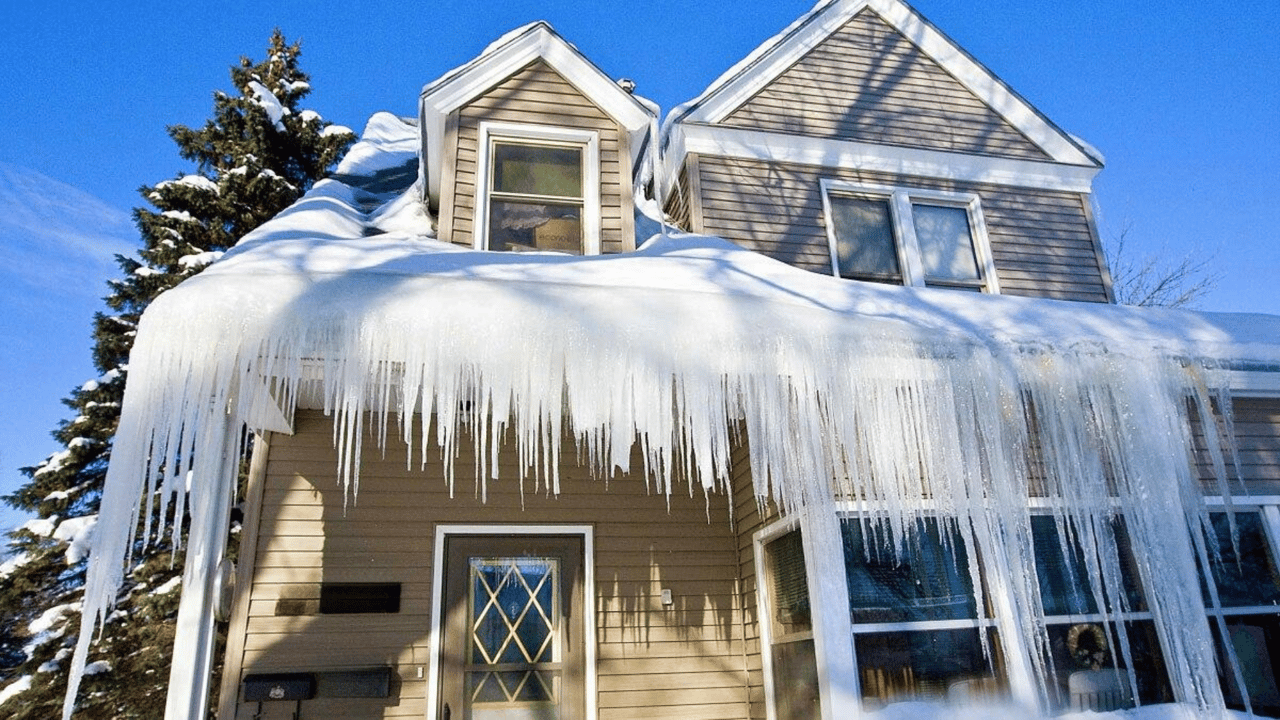
What winter does give you is the attic. Frost on the underside of the roof deck, black stains around nail tips, ice dams, and heavy icicles at the eaves all point to air leakage and ventilation problems that show up best in January. A summer buyer never gets that information.
Septic, sprinklers, and grading
In Afton, the unsewered parts of Lake Elmo, and rural Washington County, the septic system is a closing requirement, not just an inspection line. Washington County requires a compliance inspection before transfer unless one was filed within the last three years or the system was installed within the last five.
The county's December 2025 frozen-ground memo is blunt: no soil verification, no permit approvals, and no absorption-area excavation while soils are frozen. A failed system found in January usually can't be replaced until spring. Call Washington County Public Health and Environment at 651-430-6655 early about how they want the transfer handled. My well and septic guide for Washington County sellers covers the compliance side.
Sprinkler systems are blown out by October. Grading, the bottom courses of siding, and deck ledgers sit under snow. None of that can be judged until the thaw.
What winter tests better
Don't wait for spring by default. Winter tests a house under load:
- Heating: the furnace is working hard, so problems surface.
- Radon: the Minnesota Department of Health says the heating season is the best time to test, and a real estate test should be run by an MDH-licensed radon professional. More in my radon disclosure post.
- Sewer line: a camera scope works fine in January. Structure Tech lists one at $225, and on a home with mature trees and an older clay or cast-iron line, it's cheap insurance.
- Drafts and frozen-pipe risk: they show themselves on a 5-degree morning.
Three Ways to Handle What You Can't Verify
1. Replace inspection with documentation
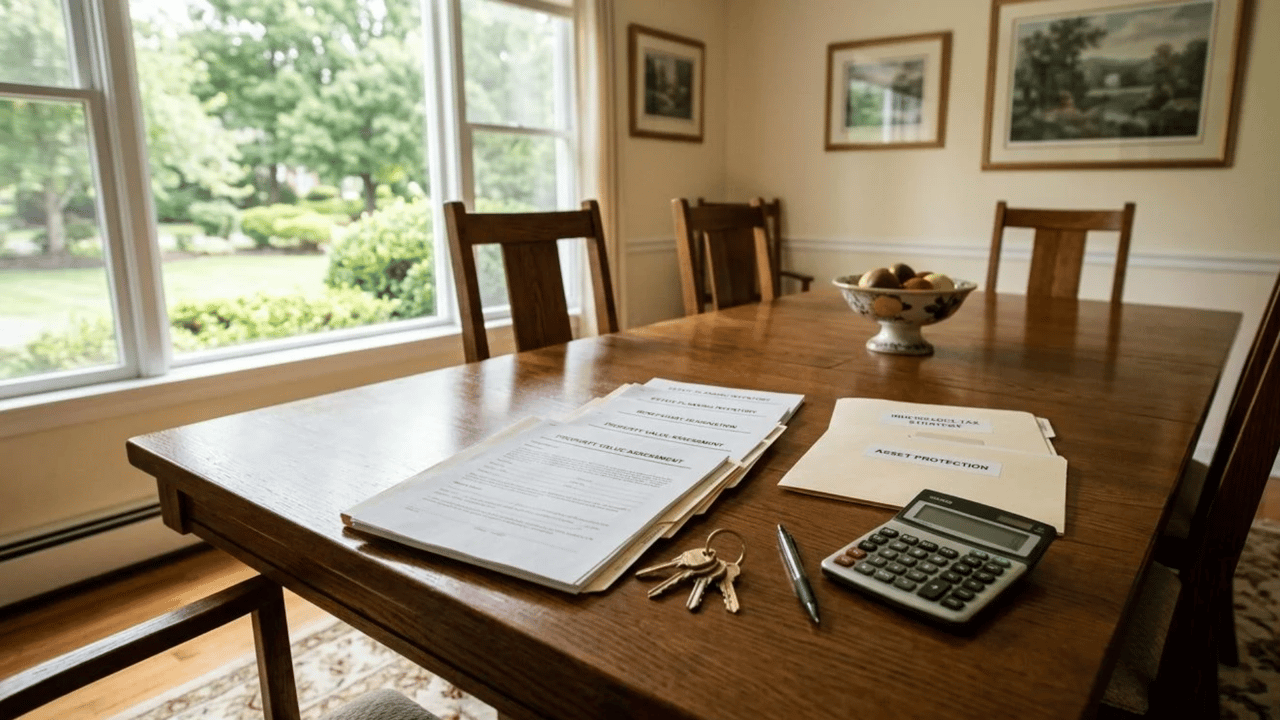
Before you write the offer, read the Seller's Property Disclosure Statement for roof age, past leaks, ice dams, AC age, and service history. Then ask for receipts, the roofing contractor's name, any hail claim paperwork, and summer photos of the roof.
Under Minn. Stat. 513.55, the seller must disclose known material facts. Under 513.57, you generally have two years after closing to bring a claim if they didn't. That's a backstop, not a plan. Documents in hand before closing beat a lawsuit after it.
2. Price the unknowns in
If the AC is 18 years old and runs on R-22, treat it as a replacement you'll make soon. National cost guides put a central AC replacement in roughly the $5,500 to $12,000 range installed. Ask for a credit or price adjustment now, while the market favors buyers. My post on what to ask for after the inspection explains how credits interact with loan concession limits. The same logic applies to an older roof; see replace or credit an old roof.
A home warranty helps less than people think. Most plans exclude pre-existing conditions, and some cap AC payouts around $2,000. Fine for a failed capacitor. Not a roof or compressor strategy.
3. Use an escrow holdback with a spring test
For a roof or AC you can't evaluate and a seller won't credit, a holdback is the cleanest middle ground. An agreed amount of the seller's proceeds stays with the title company after closing. In spring, a named HVAC contractor or roofer inspects by a fixed date. If it passes, the money goes back to the seller. If it fails, the money pays for the repair.
Write it tight: the amount, who inspects, the deadline, what counts as a pass, and what happens if nobody acts. Your lender has to approve it, and some lenders won't allow a buyer-seller escrow at all, so ask your loan officer before you negotiate one. I walked through lender-driven holdbacks in my winter new construction escrow post. A resale holdback is a private agreement that needs the same paperwork discipline.
Use the Inspection Contingency Clock on Purpose
The standard Minnesota inspection contingency gives you a set number of calendar days, weekends and holidays included, to finish all inspections, tests, and the negotiation that follows. It also requires the seller to provide access to attics and crawlspaces.
In winter, ask for extra days. HVAC techs and roofers are booked solid after a cold snap, and the week between Christmas and New Year's eats a short window fast. This is exactly the kind of detail I build into an offer before it goes out, because you can't add time after the clock starts.
How to protect yourself on a winter purchase
- Read the disclosure and request records before you offer. Roof age, AC age and refrigerant type, service receipts, hail claims, and summer photos of the roof and yard.
- Write the inspection contingency with room. Ask for enough calendar days to add specialists and negotiate, and confirm attic and crawlspace access.
- Book the right specialists. A general inspector who'll spot-check the roof, plus an HVAC tech, a sewer scope, an MDH-licensed radon test, and a septic compliance inspection where it applies.
- Negotiate every unknown in writing. Pick a credit, a price adjustment, or an escrow holdback with a named inspector, dollar amount, and spring deadline.
- Calendar the spring checks. Put the AC test, roof inspection, sprinkler start-up, and any escrow deadline on your calendar the day you close.
Frequently Asked Questions
Can a home inspector test the air conditioner in winter in Minnesota?
Usually not. Running a split-system AC in cold weather can damage the compressor, so inspectors typically won't operate cooling below about 60 to 65 degrees. You can still learn the unit's age and refrigerant type from the data plate, and a heat pump can be tested in heating mode.
Can a roof be inspected when it's covered in snow?
Not properly. Some inspectors will spot-check from a ladder and brush small areas clear, and the attic often shows signs of past leaks, frost, or ice dams. Rely on the seller's disclosure, receipts, and summer photos, and negotiate a credit or escrow for anything left unverified.
Should I wait until spring to buy a home in Woodbury?
Not by default. October data showed fewer pending sales, longer market times, and more inventory than a year earlier, which gives winter buyers negotiating room. Spring usually brings more competition, so a well-structured winter purchase can cost less than waiting.
Will a home warranty cover an AC that fails in spring?
Maybe, but don't count on it. Most home warranties exclude pre-existing conditions, and some cap air conditioning payouts around $2,000. Treat a warranty as a small-repair backstop, not a substitute for a credit or escrow.
What happens with a septic inspection when the ground is frozen in Washington County?
Washington County requires a septic compliance inspection before most transfers and doesn't allow soil verification or absorption-area excavation while soils are frozen. A failing system found in winter usually waits until spring for replacement. Call Washington County Public Health and Environment at 651-430-6655 early to confirm how they want the transfer handled.
Buying This Winter?
A winter purchase isn't riskier when you plan for what the inspection can't see. It's often the better deal.
Thinking about buying a home this winter in Woodbury or the east metro? Let's map out the inspection blind spots before you write the offer, so the unknowns get priced in, not discovered in May. Reach out at [email protected] or book a call at calendly.com/darintheminnesotan.
About Darin Bjerknes
Darin Bjerknes is a licensed REALTOR with Minnesōtan, Brokered by REAL, serving the Twin Cities east metro for over 20 years. He specializes in move-up buyers and the luxury segment across Woodbury, Afton, Stillwater, Cottage Grove, Lake Elmo, and surrounding Washington, Ramsey, and Dakota County communities. Connect with Darin at darinbjerknes.com or call 612-702-5126.
Darin Bjerknes | Minnesōtan, Brokered by REAL | [email protected]