Drones Are Now First on Scene in St. Paul
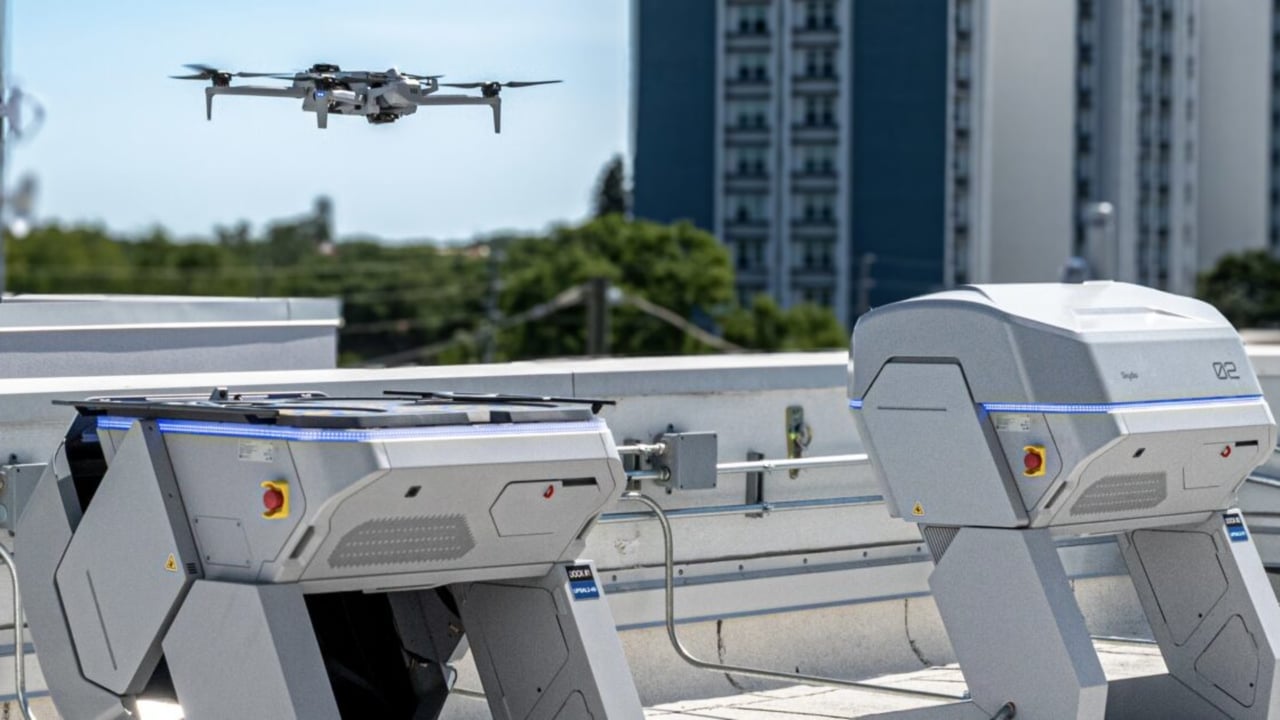
St. Paul's police department has expanded its drone operations with a new docked drone program that stations unmanned aircraft on the rooftops of three city buildings. Unlike the department's previous approach, where officers would launch a drone after arriving at a scene, these drones take off the moment a high risk 911 call comes in. They fly at 45 miles per hour and can reach a location two miles away in under three minutes, while a squad car covering the same distance typically takes seven to ten minutes.
The three docking stations are positioned at police headquarters on Grove Street, the Western District station on Hamline Avenue, and Fire Station No. 7 on Ross Avenue. Together they cover about 70 percent of the city.
The Numbers Tell the Story
Since the program went live on May 30th, St. Paul police have logged 365 drone flights. That already exceeds the 346 total flights recorded in all of 2025. Each drone is outfitted with three cameras, two providing color video and one providing thermal imaging. The thermal capability is being shared with the St. Paul Fire Department to identify hotspots during active fires.
The estimated cost for the three drones and docking stations was $350,000, which is part of a broader contract that includes body cameras, in-squad cameras, Tasers, and digital evidence storage.
Real Results and Real Concerns
In one early test of the program, a 911 caller reported a burglary in progress. The drone arrived first, spotted two suspects (one holding an axe), and tracked them as they attempted to change clothes and discard evidence. Officers arrived and made the arrest on scene. According to department data, drones have been first to arrive about 50 percent of the time, and in 11 percent of cases drone footage showed that officers did not need to respond at all.
The ACLU of Minnesota has raised concerns about the rapid expansion of drone programs across the metro, urging cities to adopt local protections that go beyond the minimums set by state law. City Council Member Anika Bowie, who chairs the public safety committee, has emphasized the need for transparency and oversight around any new public safety technology.
Why This Matters for Twin Cities Homeowners
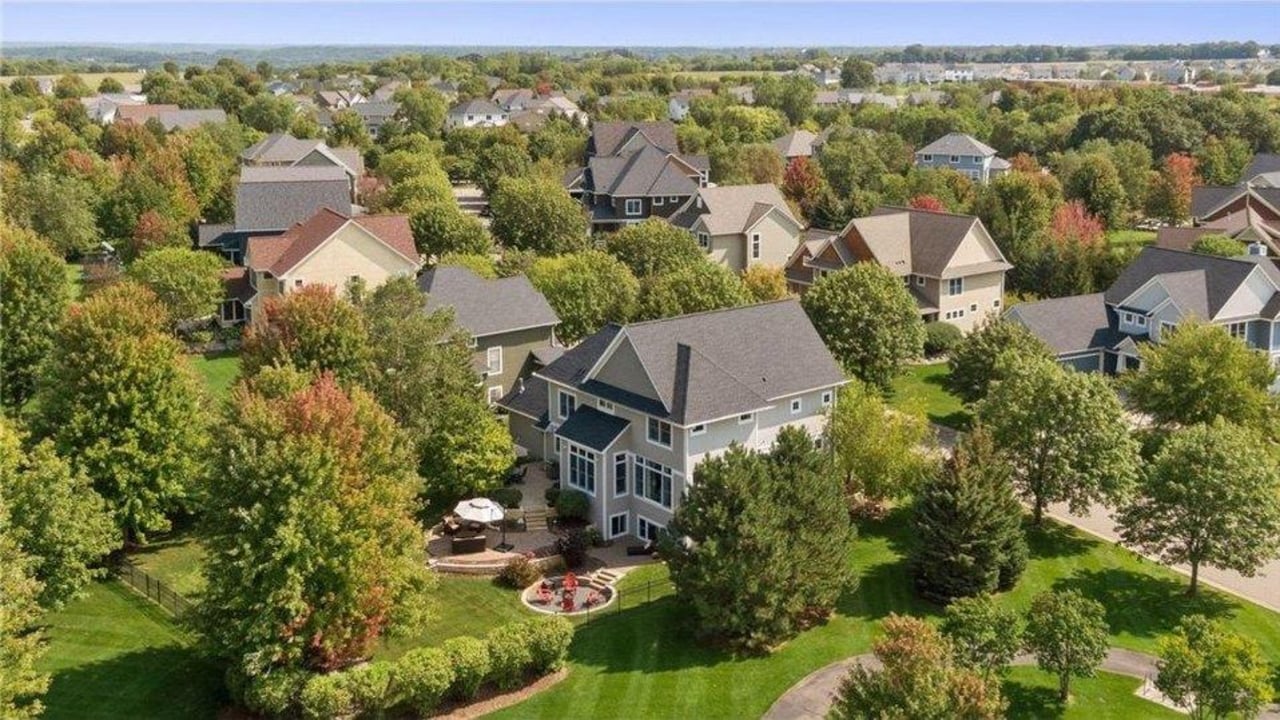
Public safety infrastructure directly shapes how residents feel about their neighborhoods, and that perception influences home values and buyer demand across the metro. Whether you live in St. Paul, Woodbury, Stillwater, or anywhere in the east metro, the way cities invest in safety technology is part of the broader quality of life equation that drives real estate decisions.
Thinking about buying or selling in the Twin Cities? Let's talk. Text Darin Bjerknes at 612-702-5126 or DM on Instagram @darintheminnesotan.