St. Paul could soon join Minneapolis in setting a $15 minimum price for a pack of cigarettes, a Twin Cities tobacco policy shift that would push local prices among the highest in the country. The St. Paul City Council recently heard a proposal to raise the city's cigarette price floor, and early signals suggest it has real support.
Here is a clear breakdown of what is on the table and why it matters for Minnesota residents across the metro.
What St. Paul Is Actually Considering
Anti-smoking advocates have asked the St. Paul City Council to set a $15 minimum price per pack of cigarettes. That would match the minimum Minneapolis adopted in 2024 and align St. Paul with a growing list of metro cities tightening tobacco rules.
St. Paul is no newcomer here. The city set Minnesota's first tobacco price floor in 2021, starting at $10 per pack. Advocates now argue that figure was too low to meaningfully change smoking rates, and they want the city to raise it in step with its neighbor across the river.
Why a Price Floor Is Not a Tax
This is the part that trips people up. A minimum price is not a tax. When the city sets a price floor, retailers simply keep the difference between their wholesale cost and the $15 shelf price.
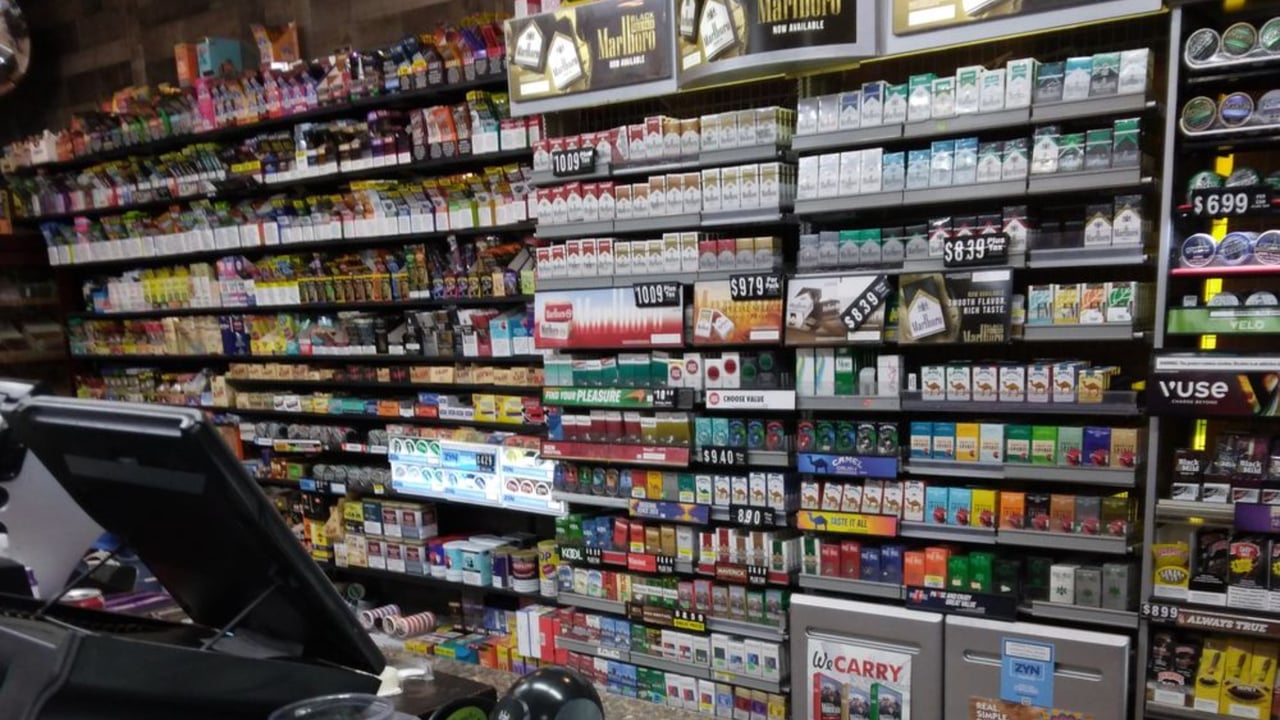
That structure is why many shop owners have accepted the policy instead of fighting it. In Minneapolis, packs now often sell for $16 or $17, and prices can climb close to $20 in bars. For a daily smoker, that adds up to roughly $450 a month.
Supporters say the higher cost is the whole point, arguing that steep prices keep younger people from ever starting. What is still missing is hard data showing how many current smokers have actually quit since Minneapolis made the change.
What It Could Mean for the East Metro
Policies that start in St. Paul and Minneapolis often ripple outward. St. Anthony Village has already matched the $15 figure, and many retailers across the Twin Cities have quietly raised prices in line with Minneapolis.
For east metro communities like Woodbury, Cottage Grove, Stillwater, and Lake Elmo, this is worth watching for a few reasons. Price gaps between cities can shift where people shop, small tobacco retailers feel the change first, and local public health debates tend to shape the broader tone of a community.
Whether you smoke or not, this is a snapshot of where Twin Cities policy is heading, and it is the kind of local story that quietly affects neighborhoods and small businesses.
Thinking about buying or selling in the Twin Cities? Let's talk. Text Darin Bjerknes at 612-702-5126 or DM on Instagram @darintheminnesotan.