St. Paul Moves to Regulate Drive Throughs Instead of Banning Them
St. Paul is once again revisiting drive through policy, but this time city leaders are stepping back from a full prohibition. Instead, the City Council is considering tighter regulations aimed at pedestrian safety, traffic control, and long term land use planning.
Why Drive Throughs Became a Hot Topic
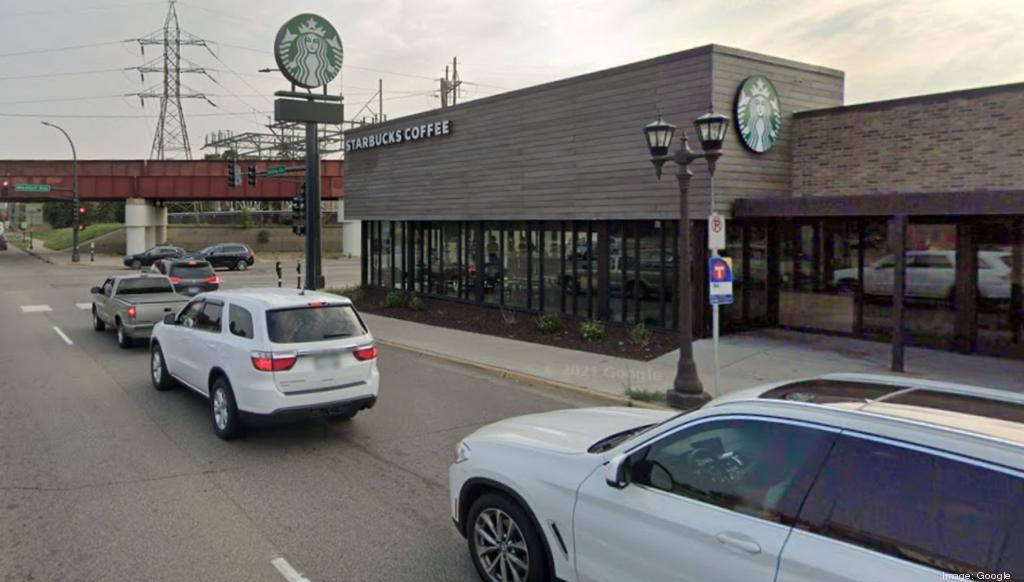
The issue escalated between 2017 and 2022 when congestion at a Starbucks near Snelling and Marshall created significant traffic backups. Cars regularly spilled into bike lanes and roadways. The situation became so notorious that locals nicknamed the intersection “Snarshall.”
Ultimately, the drive through at that location was removed.
That event helped spark a broader zoning study initiated in 2024.
What the New Proposal Requires
Rather than banning new drive throughs, the city now proposes specific performance standards:
• All waiting vehicles must remain on private property
• Coffee shops must provide 14 stacking spaces
• Fast food restaurants must provide 12
• Banks and pharmacies must provide six
• Food and beverage drive throughs must sit at least 120 feet from residential property
• No drive throughs allowed within 300 feet of light rail or bus rapid transit stations
In traditional neighborhood zoning districts, new drive throughs would also need to be part of larger mixed use buildings at least four stories tall and 40,000 square feet.
There are currently 77 drive throughs operating in St. Paul.
The Business and Tax Base Debate
Supporters argue that these changes improve pedestrian safety and encourage denser, more walkable development.
Critics, including members of the St. Paul Area Chamber, worry the regulations may discourage investment at a time when commercial tax base growth is critical.
This tension mirrors larger conversations happening across Minnesota cities, including Minneapolis, Edina, and Woodbury, where land use decisions increasingly shape property values and neighborhood character.
What This Means for Real Estate
For commercial property owners in St. Paul, zoning rules directly affect site viability, financing, and long term value.
For residential homeowners, these changes influence traffic patterns, noise levels, and neighborhood development trends.
As St. Paul continues to balance safety, business growth, and density goals, expect land use to remain a central conversation across the Twin Cities.
If you’re buying, selling, or investing in St. Paul or the east metro, understanding policy shifts like this gives you an edge. Reach out anytime to talk strategy.