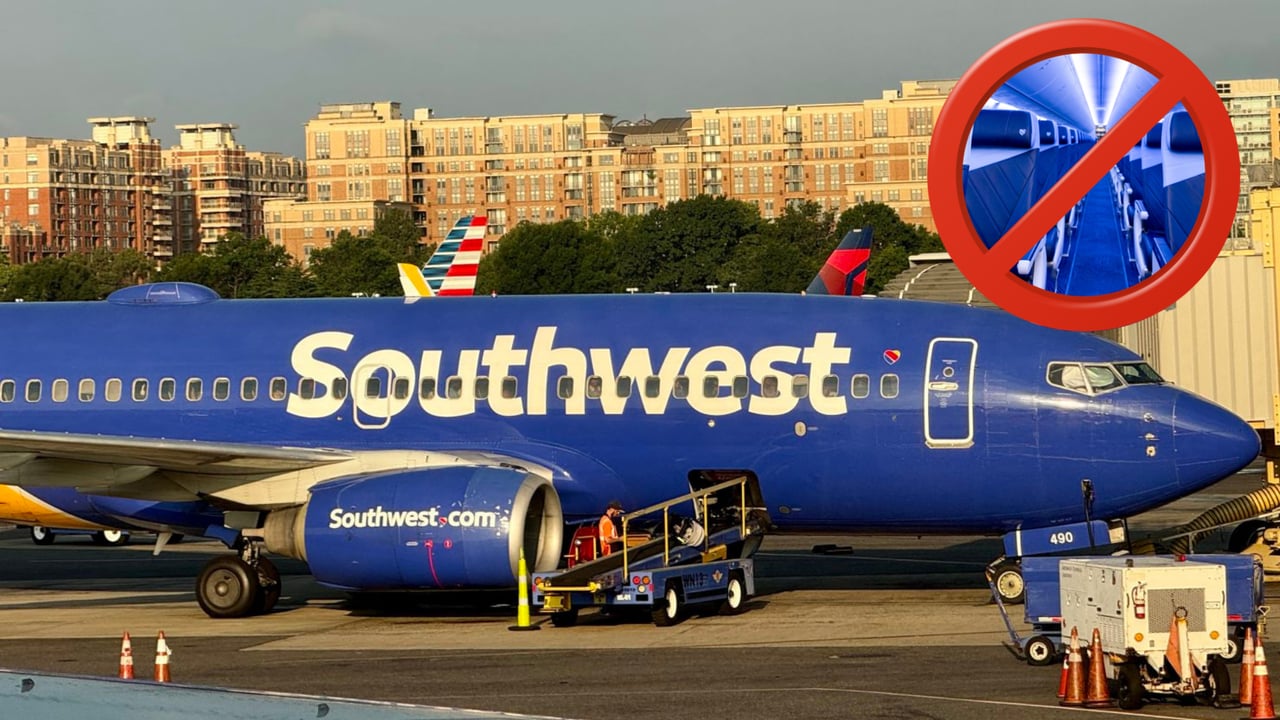
Southwest Airlines Ends Open Seating After 50 Years
Southwest Airlines has officially retired its iconic open seating policy, a move that marks a major shift for one of the most recognizable airline brands in the country.
For decades, Southwest passengers checked in exactly 24 hours before departure to secure a boarding group. Once on the plane, they chose any open seat. There were no premium seats and no assigned spots. The system was simple, fast, and very different from competitors.
That era is now over.
What’s Changing for Travelers
Passengers will now receive assigned seats at booking. Southwest has introduced three seat categories: standard, preferred, and extra legroom. Premium seats may cost significantly more depending on the route.
Boarding order now depends on fare class, elite status, and Southwest credit card holders. Travelers can also pay for earlier boarding.
The airline also ended its flexible plus size passenger seating policy, requiring travelers to purchase two seats upfront if needed.
This change follows last year’s removal of Southwest’s long standing two free checked bags perk.
Why Southwest Made the Shift
Executives say the airline has “outgrown” open seating. Assigned seating allows them to offer premium products like extra legroom and capture additional revenue.
They also argue it reduces stress because travelers know exactly where they will sit before arriving at the airport.
In a competitive airline market, upsell opportunities and predictable pricing structures matter.
How Minnesota Travelers May Feel
For Twin Cities residents flying out of Minneapolis Saint Paul International Airport, this could change booking strategies. No more setting reminders to check in exactly 24 hours before departure.
Some travelers appreciate the predictability. Others miss the uniqueness that set Southwest apart.
The bigger question is whether this makes Southwest stronger long term or simply more similar to other major carriers.
If you’re traveling soon, factor in seat selection costs when comparing fares.
For more updates affecting Minnesota residents, Twin Cities travel, and local business news, stay connected. And if you’re thinking about making a move around the Twin Cities, let’s talk.