Do you have to disclose unpermitted work when selling a home in Minnesota?
Yes. Minnesota Statute 513.55 requires you to disclose every material fact you know about your property before signing a purchase agreement, and the Seller's Property Disclosure Statement specifically asks about additions, structural changes, and work done without permits. You must disclose unpermitted work even if a prior owner did it, and even in an as-is sale. Failing to disclose known unpermitted work can trigger a lawsuit for up to two years after closing under Minnesota Statute 513.57. Your two main paths are to pull retroactive permits before you list or to disclose the work and price it in.
By Darin Bjerknes | July 1, 2026
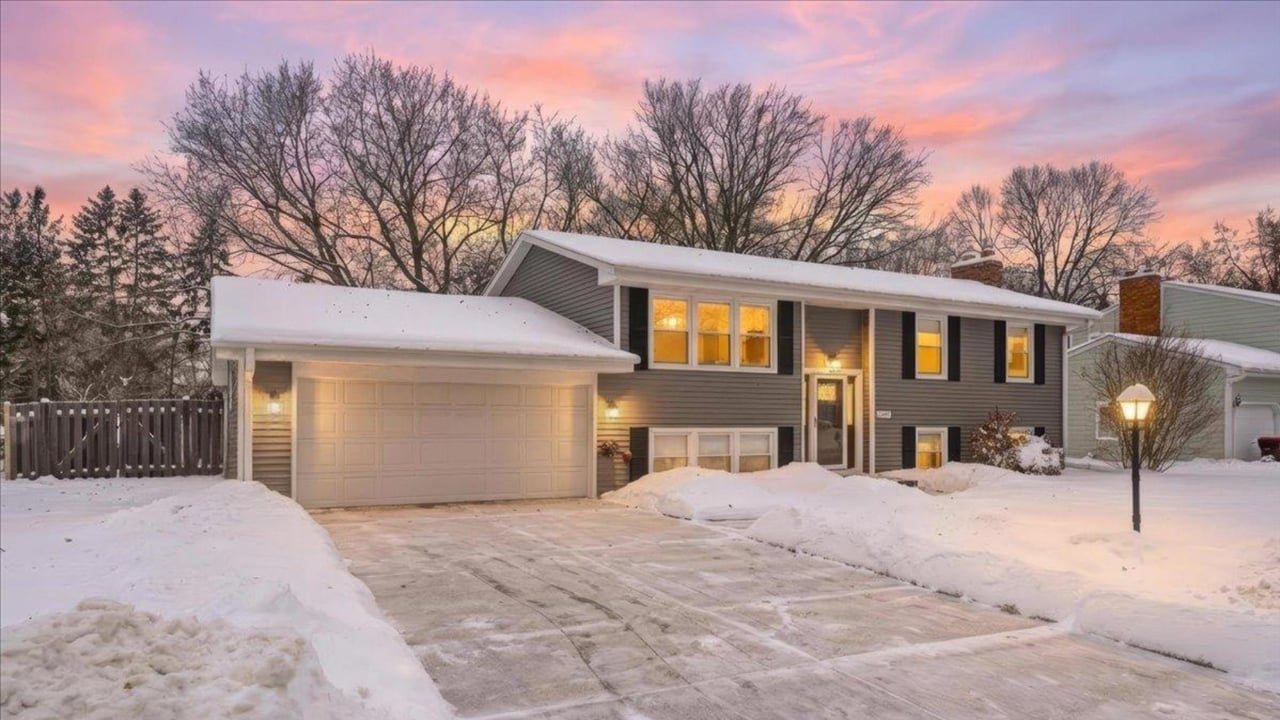
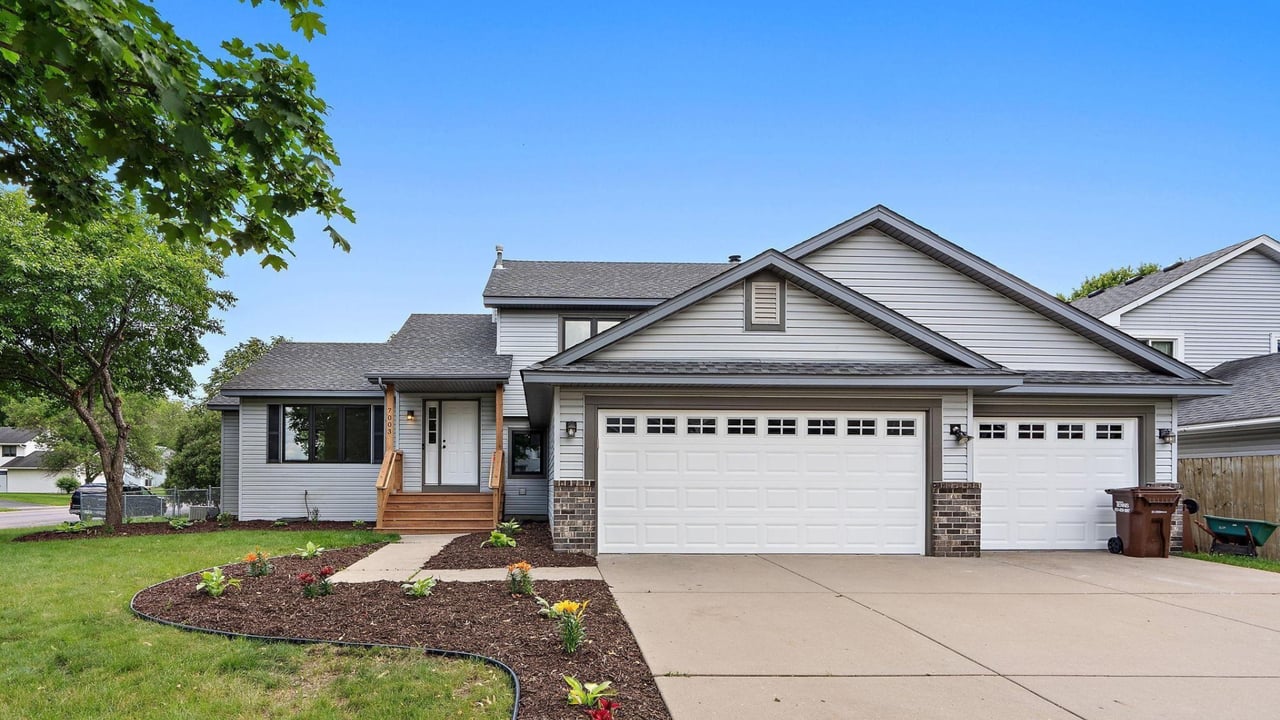
A seller in Oakdale called me last spring about a split-level she was ready to list. Her late husband had finished the lower level himself back in 2011: a family room, a fourth bedroom, and a three-quarter bath. Beautiful work. No permits. She had no idea whether that was a problem, and she was terrified the sale would collapse over it.
This is one of the most common questions I get from east metro sellers, and it comes up more here than almost anywhere. Our housing stock is full of finished basements, four-season porches, decks, and garage conversions that homeowners built themselves across Cottage Grove, Maplewood, Oakdale, and the older neighborhoods of Woodbury and Stillwater. A lot of that work was never inspected. When it comes time to sell, that history follows the house to the closing table.
Here's the reassuring part: unpermitted work almost never kills a sale on its own. What kills sales is finding out about it late, mishandling the disclosure, or letting it blow up the appraisal three weeks before closing. Handle it early and you keep control of the outcome.
Why unpermitted work becomes a problem the moment you list
Minnesota is a mandatory-disclosure state. Under Minnesota Statute 513.55, before you sign a purchase agreement you have to give the buyer a written disclosure of every material fact you're aware of that could significantly affect their use and enjoyment of the property. The standard Seller's Property Disclosure Statement asks directly about additions and alterations and whether permits were pulled. You typically deliver it within 10 days of a signed contract.
Two things trip sellers up here. First, the obligation applies to work a previous owner did, as long as you know about it. Second, it applies even in an as-is sale. Selling as-is limits some of your repair obligations, but it does not erase your duty to disclose what you know.
The reason this matters so much: nondisclosure has a two-year tail. Under Minnesota Statute 513.57, a buyer who discovers undisclosed unpermitted work can bring a civil action for up to two years after closing, and can seek damages, repair costs, or even rescission of the sale. A seller who knew and stayed quiet can face a fraud or breach-of-contract claim. Disclosing protects you. If the work is disclosed before closing, the buyer generally takes on responsibility for it going forward.
There's a local wrinkle worth knowing. Maplewood and St. Paul both run a Truth-in-Sale of Housing program, which requires a city-approved evaluator to inspect the home and produce a report before you can even show it. Those are disclosure-only programs, but the evaluation surfaces obvious unpermitted work in writing. Woodbury, Stillwater, Lake Elmo, Oakdale, Cottage Grove, and the rest of unincorporated Washington County do not require a point-of-sale inspection, so in most of my market the disclosure lands squarely on you and your agent to handle honestly.
What it does to your appraisal and the buyer's financing
This is where unpermitted work does its real damage, and it catches sellers off guard because the disclosure went fine and then the appraisal came back low.
Appraisers generally will not count unpermitted square footage toward the home's value. A finished basement that added 700 square feet on paper can add zero to the appraisal if it was never permitted. That unpermitted fourth bedroom my Oakdale seller was counting on? An appraiser values the home as a three-bedroom. On an east metro home, that gap can be tens of thousands of dollars, and if the appraisal comes in under the contract price, the buyer's loan is suddenly short.
Financing type decides how hard this hits:
- FHA loans are the strictest. An FHA appraiser will often value the home "subject to" the unpermitted work being permitted or removed, which freezes the loan until the issue is resolved. On our older Cottage Grove and Maplewood housing stock, where FHA buyers are common, this is a frequent stall point.
- Conventional loans give the lender more discretion. A conventional appraiser might simply note the addition without pulling it into the valuation, and a well-qualified buyer with a strong down payment can often still close.
- Cash buyers and investors can take on unpermitted work entirely, which is why this route exists as a fallback when a home won't finance cleanly.
There's an insurance angle too, and it's not hypothetical. Insurers have denied claims tied to unpermitted work. In one widely cited case, an electrical fire started in an unpermitted finished basement and the carrier denied the homeowner's claim because no permit was ever pulled. Carriers can also raise premiums or decline to write a policy on a home with known unpermitted electrical or structural work, which is one more reason buyers get nervous.
Your three options before you list
Once you know unpermitted work exists, you're choosing among three paths. The right one depends on the scope of the work, your timeline, and what financing your likely buyer will use.
Option 1: Pull retroactive permits before you list
Going to the city and permitting the work after the fact keeps the value in the home and takes the biggest objection off the table before a buyer ever sees the listing. The process usually runs like this:
- Call your city building department and describe the work.
- Submit a permit application, often with a drawing showing dimensions, walls, room use, and smoke and carbon monoxide detector locations.
- Schedule an inspection. The inspector may sign off on visible work immediately, or ask you to open a section of wall or ceiling so they can verify what's behind it.
- Complete any corrections the inspector requires.
- Get the final approval on record.
In Woodbury, for example, a basement finish uses a Permit Application plus a Basement Finish Supplement, issued as a combination permit that bundles building, electrical, plumbing, and HVAC fees. Inspection Services will walk you through it at 651-714-3543 or [email protected]. Oakdale, Cottage Grove, and Stillwater each run their own building department under the same Minnesota State Building Code, so the process rhymes from city to city even though the counter you visit changes.
Two honest cautions. After-the-fact permits often carry a penalty, commonly double the standard fee, and if the city discovers the work through an investigation rather than your voluntary application, the cost climbs further. The upside: cities are frequently more lenient when you're permitting a previous owner's work rather than your own. Budget several weeks to a few months for a full basement finish, and get a contractor's read on code compliance before you open the process so you're not surprised by the corrections.
Option 2: Disclose it and price it in
If the work is sound but permitting is impractical on your timeline, you disclose it fully and adjust your pricing and strategy to match. I'll often value the home as if the unpermitted space weren't there, which sets a realistic list price and prevents an appraisal surprise later. We disclose the work clearly in the Disclosure Statement and the purchase agreement, and we target buyers whose financing can absorb it, which frequently means conventional or cash rather than FHA.
This path trades some top-line price for speed and certainty. For a seller settling an estate, relocating on a deadline, or unwilling to spend months in the permitting queue, that trade is often worth it.
Option 3: A hybrid approach
Plenty of sellers land in the middle. You might permit the easy, high-risk items, like an unpermitted electrical panel or a deck that's structurally questionable, while disclosing and pricing around a cosmetic basement finish that no lender is going to flag. The goal is to remove the items that scare off financing and insurance, then be transparent about the rest.
How to handle unpermitted work before you list
- Inventory the work and confirm what you know. Walk the house and list every addition, finish, deck, and mechanical change. What you know drives what you must disclose.
- Call your city building department. Ask about the retroactive or after-the-fact permit process, fees, and typical timeline. Start with your city, not the county, for most residential work in the east metro.
- Get a contractor or inspector assessment. Before you invite the city in, have a licensed pro estimate whether the work meets current code and what corrections would cost.
- Choose your path. Permit now, disclose and price, or a hybrid, based on scope, timeline, and your likely buyer's financing.
- Document everything in the Seller's Property Disclosure Statement. Whatever you decide, disclose the work in writing. This is your two-year insurance policy against a lawsuit.
Frequently Asked Questions
Do I have to disclose unpermitted work if a previous owner did it?
Yes. Minnesota Statute 513.55 ties disclosure to what you know, not to who did the work. If you're aware that a prior owner finished the basement or added a deck without permits, you have to disclose it. The good news is that permitting a prior owner's work often draws more leniency from the city than permitting your own.
Can I sell a house as-is in Minnesota with unpermitted work?
Yes, but as-is does not waive your disclosure duty. You can decline to make repairs, but you still have to disclose known unpermitted work under Statute 513.55. As-is sales with unpermitted work often go to conventional or cash buyers, since FHA financing frequently requires the work to be permitted or removed before closing.
Will unpermitted work lower my appraisal?
Usually, yes. Appraisers typically exclude unpermitted square footage from the valuation, so an unpermitted finished basement or extra bedroom may add nothing to the appraised value even though it adds living space. On an east metro home that can mean a difference of tens of thousands of dollars, which is why pricing the home as if the space weren't there protects you from an appraisal gap.
How much does an after-the-fact permit cost in the east metro?
It varies by city and by the scope of the work, but expect the base permit fee plus a penalty, commonly double the standard fee, for work that was already completed. If the city finds the work through an investigation instead of your voluntary application, costs rise further. Woodbury, Oakdale, Cottage Grove, and Stillwater each set their own fee schedules under the Minnesota State Building Code.
What happens if I don't disclose unpermitted work and the buyer finds out?
The buyer can bring a civil action for up to two years after closing under Minnesota Statute 513.57 and can seek damages, repair costs, or rescission of the sale. If you knew about the work and stayed quiet, you can face a fraud or breach-of-contract claim. Disclosing fully is far cheaper and less stressful than defending a lawsuit.
Ready to sort this out before you list?
Unpermitted work is a manageable problem when you get ahead of it, and a deal-killer when you don't. The move is to inventory the work, understand your city's retroactive permit process, and choose your path before the listing goes live, not after an appraisal comes in low.
Thinking about selling a home with unpermitted work in Woodbury or the east metro? Let's walk your property, figure out what needs a permit and what just needs a clear disclosure, and build a pricing strategy that holds up at the appraisal. Reach out at [email protected] or book a call at calendly.com/darintheminnesotan. No pressure, just a straightforward conversation about your options.
Darin Bjerknes | Minnesōtan, Brokered by REAL | [email protected]
About Darin Bjerknes
Darin Bjerknes is a licensed REALTOR with Minnesōtan, Brokered by REAL, serving the Twin Cities east metro for over 20 years. He specializes in move-up buyers and the luxury segment across Woodbury, Afton, Stillwater, Cottage Grove, Lake Elmo, and surrounding Washington, Ramsey, and Dakota County communities. Connect with Darin at darinbjerknes.com.