Can you sell a home on a private road or shared driveway in Minnesota?
Yes, you can sell a home on a private road or shared driveway in Minnesota, but the sale rises or falls on two documents: a permanent recorded easement that guarantees legal access, and, for most conventional loans, a signed road maintenance agreement. If your buyer is using FHA, VA, or USDA financing, a recorded easement is usually enough and no maintenance agreement is required. If they are using a Fannie Mae conventional loan, the lender will demand a recorded maintenance agreement unless you switch the file to Freddie Mac, VA, or USDA. Fix the access paperwork before you list, and the buyer pool stays wide open.
By Darin Bjerknes | July 30, 2026
Out in Grant, May Township, Denmark Township, and the acreage pockets around Afton, Lake Elmo, and Marine on St. Croix, a huge share of homes sit off a private road or share a driveway with a neighbor. That is the trade-off for five, ten, or twenty acres of quiet in the east metro. It is a beautiful way to live. It also introduces a wrinkle that catches sellers off guard the moment an offer comes in.
Here is what I see happen. The house shows well, you accept a great offer, and then the buyer's lender orders the title commitment. The title company flags that access runs across a neighbor's land, or that the shared driveway has no recorded easement, or that there is no maintenance agreement on file. Suddenly the closing that felt certain is on hold while an underwriter decides whether the loan can even fund. I have watched clean deals stall for weeks over a document that could have been handled before the sign went in the yard.
This post walks through exactly what a private road or shared driveway means when you sell in Washington or Ramsey County, what each loan program requires, and the three paths I use to get these homes to the closing table.
Why private-road homes get stuck at the closing table
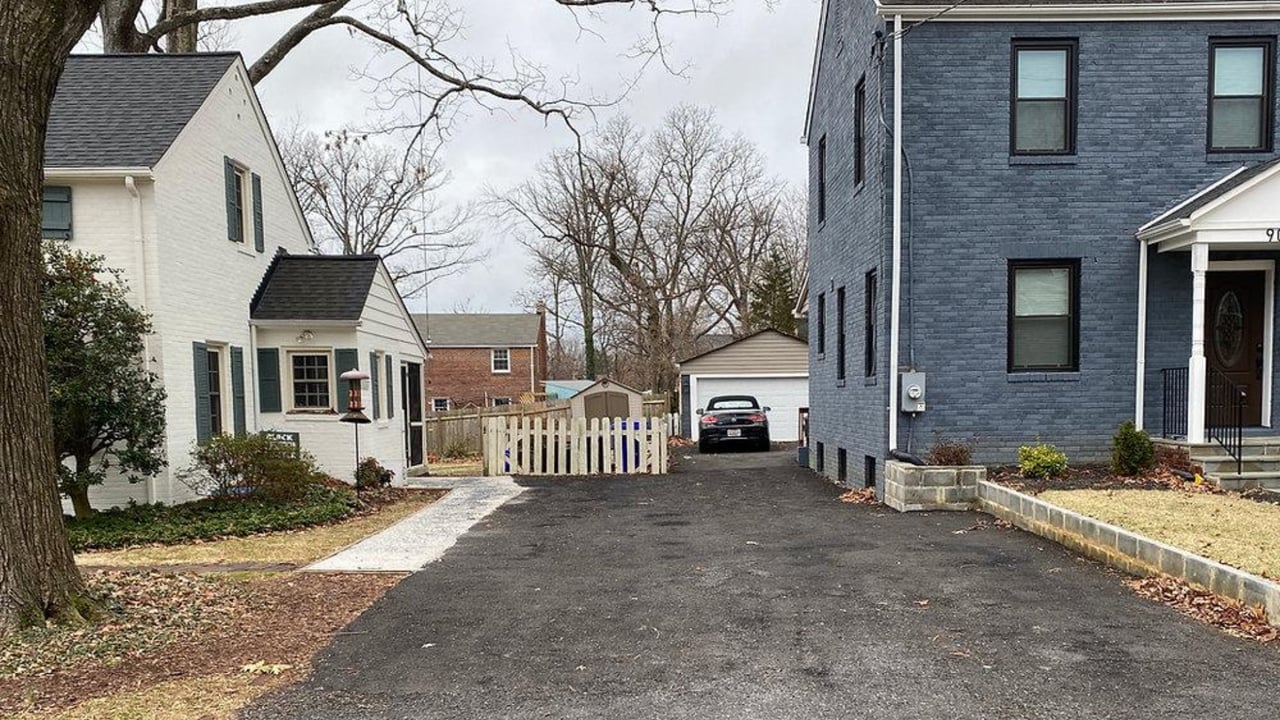
A private road is any road not dedicated to and maintained by a city, township, or county. In the east metro that includes long gravel drives serving one house, shared driveways straddling a lot line between two neighbors, and small clusters of acreage homes sharing one lane back to a county road.
The lender's concern is simple. The mortgaged home is collateral. If the loan goes bad, the bank has to be able to sell it, and a house nobody can legally reach, or a driveway tangled in a neighbor dispute, is a house that is hard to resell. So lenders and their title insurers want proof of two things before they fund: that you have a legal right to use the road forever, and that someone is responsible for keeping it drivable.
That first piece, legal access, is where Minnesota's recording rules matter. Minnesota follows a race-notice recording system under Statute 507.34. A properly recorded easement binds every future owner of the land it crosses. An unrecorded easement, or a decades-old handshake between neighbors, can be wiped out against a good-faith buyer who records first. If your access lives only in an old survey or in your neighbor's memory, a lender and a title company will treat it as no access at all.
Two fallback doctrines exist, but neither is something you want to lean on at a sale. An easement by necessity applies only when access across a neighbor is strictly necessary, and it ends the moment another legal route opens up. A prescriptive easement requires 15 years of continuous, adverse use to establish. Both are litigation-flavored, and title companies are slow to insure them. The clean answer is an express, recorded easement in the chain of title.
What each loan program actually requires
Not every buyer faces the same hurdle. The requirement depends entirely on how they are financing the home, which is why I always ask a buyer's agent about the loan type early.
FHA. Under HUD Handbook 4000.1, private streets and shared driveways must be protected by a permanent recorded easement, or owned and maintained by a homeowners association. The road also needs an all-weather surface, meaning emergency and typical passenger vehicles can pass at all times. FHA does not require a road maintenance agreement. Individual lenders sometimes ask for one anyway, so it is worth confirming.
VA. The Department of Veterans Affairs requires all-weather-surface access and a recorded permanent easement or right-of-way. VA used to insist on a joint maintenance agreement too, but VA Circular 26-22-17 changed that: a recorded permanent easement now stands as sole proof of access, and a separate maintenance agreement is no longer required. Dirt roads that turn to mud still fail the appraisal.
USDA. Common in the rural stretches of Washington County, USDA requires a hard-surfaced or all-weather-surfaced road and a permanently recorded easement or HOA maintenance. Like FHA and VA, USDA does not mandate a road maintenance agreement.
Conventional (Fannie Mae). This is the strict one. Fannie Mae requires a legally enforceable agreement or covenant for maintenance of the street, unless state law already assigns that responsibility. In plain terms, your buyer's conventional lender will want a signed, recorded road maintenance agreement, or evidence an HOA maintains the road.
Here is the workaround most sellers never hear about. Freddie Mac, the other conventional investor, will often accept a recorded permanent easement or right-of-way without a signed neighbor maintenance agreement. A sharp loan officer can move a buyer's file from a Fannie Mae product to a Freddie Mac product, or to FHA, VA, or USDA, and rescue a deal that a maintenance-agreement holdout would otherwise kill.
The three paths I use to get these homes sold
Path one: clean up the recorded easement before you list
This is the move that prevents ninety percent of the problems. I have the title company run a search early, before we ever go live, so we know exactly what the record shows. If a permanent recorded easement or right-of-way already sits in the chain of title, we are in great shape and I gather the document for the buyer's file. If access rests only on necessity, prescription, or a verbal understanding, we cure it now by drafting and recording an express easement with the neighbor whose land the road crosses. Doing this on your timeline, before an offer, is worlds easier than doing it under a 30-day financing deadline with a nervous buyer.
Path two: put a road maintenance agreement in place, or route around it
If your road or driveway serves more than one household, a road maintenance agreement is your friend, and for Fannie Mae conventional buyers it is close to mandatory. A solid agreement includes the legal description of the road, how the owners split maintenance and cost (usually pro rata by use or frontage), the standard of upkeep, and remedies for a neighbor who does not pay, including lien rights. It has to be signed by every owner served, notarized, and recorded with the county recorder. In Washington County, a recorded private maintenance covenant is required for any private road serving more than three lots.
When a neighbor refuses to sign, and it happens, you still have options. Move the buyer to Freddie Mac, VA, USDA, or FHA financing where a recorded easement alone can carry the loan. Record a maintenance covenant that binds your own parcel. Or, in a truly landlocked case on five or more acres, Minnesota's cartway statute (164.08) lets a landowner petition the town board to establish a legal access route to a public road. That is the last-resort statutory backstop, not a quick fix, but it exists.
Path three: price and market for the buyers you can actually reach
If access cannot be cured before you list, we adjust strategy rather than pretend the issue is not there. That might mean marketing to cash buyers and portfolio lenders who are not bound by Fannie and Freddie rules, or fixing the all-weather surface and snow-plowing gaps that make a gravel lane fail an appraisal. It also means full disclosure. Under Minnesota Statute 513.55, road access and maintenance obligations are material facts you are aware of, so they belong on your Seller's Property Disclosure Statement, and Statute 513.57 keeps you on the hook for two years after closing if you bury them.
Do not let the maintenance surprise become the buyer's excuse to walk
One more thing I coach every private-road seller on. Buyers coming from a city lot do not always grasp what private ownership means for upkeep. As one longtime private-road owner put it bluntly on a homeowner forum, the municipality "will not plow the road after a snowstorm, will not fill potholes after mud season, and will not repair washouts after a heavy rain. If homeowners don't organize and fund those things themselves, they simply don't happen."
That reality is not a negative if you frame it right. Buyers who choose Grant or Denmark Township acreage want the privacy, and they accept the plowing bill that comes with it. Hand them a clean maintenance agreement, a recorded easement, and a couple of years of plowing and grading receipts, and you turn an unknown into a solved problem. Leave it vague, and you hand them a reason to renegotiate or walk.
Frequently Asked Questions
Can you get a mortgage on a house on a private road in Minnesota?
Yes. Every major loan program allows it as long as there is a permanent recorded easement or right-of-way guaranteeing legal access. Conventional Fannie Mae loans also want a recorded road maintenance agreement, while FHA, VA, USDA, and Freddie Mac conventional loans generally accept the recorded easement on its own.
Does FHA require a road maintenance agreement for a shared driveway?
No. FHA requires a permanent recorded easement, or an HOA that owns and maintains the road, plus an all-weather driving surface. FHA does not require a road maintenance agreement, though some individual lenders ask for one as an overlay, so confirm with the buyer's loan officer.
What happens if my neighbor won't sign the road maintenance agreement?
You are not stuck. A loan officer can often move the buyer from a Fannie Mae conventional loan to Freddie Mac, VA, USDA, or FHA, all of which can fund on a recorded easement alone. You can also record a maintenance covenant against your own parcel, and in landlocked cases the cartway statute provides a court-supervised access route.
Do I have to disclose a private road or shared driveway when selling in Minnesota?
Yes. Legal access, shared-driveway easements, and maintenance obligations are material facts under Minnesota Statute 513.55, so they belong on your Seller's Property Disclosure Statement. Statute 513.57 leaves you liable for two years after closing for material facts you knew and failed to disclose.
Who is responsible for maintaining a private road in Minnesota?
The owners served by the road, not the city, township, or county. Minnesota Statute 435.37 places responsibility for a private road connecting to a public highway on the property owners it serves. A recorded maintenance agreement is what divides those plowing, grading, and repair costs fairly among the neighbors.
Thinking about selling a private-road or shared-driveway home?
The single best thing you can do is order the title and access review before you list, not after you have an offer in hand. Get the easement recorded, get the maintenance agreement signed, and your Woodbury, Stillwater, or Grant Township acreage home reaches every buyer in the market instead of a narrow slice of it.
Thinking about selling a home on a private road or shared driveway in Woodbury or the east metro? Let's pull your title early and clear the access questions before they cost you a buyer. Reach out at [email protected] or book a call at calendly.com/darintheminnesotan.
Darin Bjerknes | Minnesōtan, Brokered by REAL | [email protected]