North Minneapolis Amphitheater Secures Financing and Eyes 2027 Opening
A Long Planned Riverfront Project Moves Forward
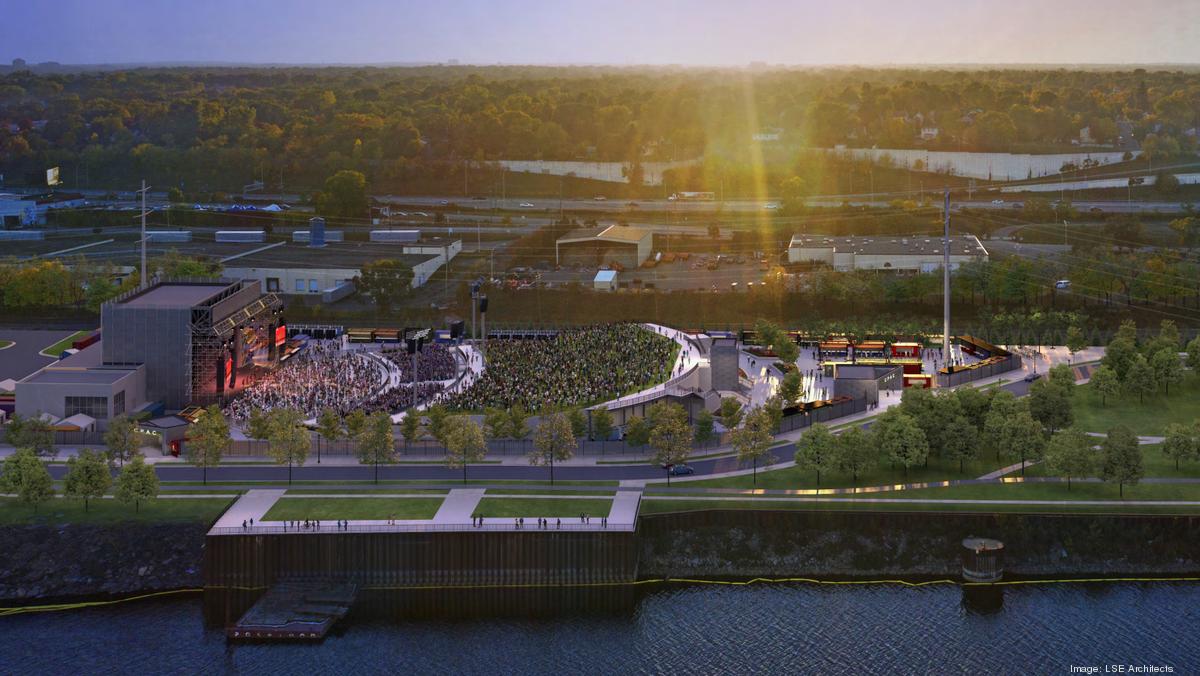
After years of planning and recent uncertainty, the North Minneapolis riverfront amphitheater has officially secured its financing. First Avenue and the Minnesota Orchestra confirmed the funding this week, clearing the path for construction to begin in spring 2026. The venue is still targeting a summer 2027 opening, keeping alive plans for a major outdoor concert destination along the Mississippi River.
The project had raised questions after a planned fall construction start did not happen. Financing delays often derail large developments, especially cultural venues, so this milestone is a meaningful signal that the project is real and advancing.
What the Venue Will Look Like
The amphitheater is planned for roughly eight thousand seats and has been compared by First Avenue to Red Rocks in Colorado. While the comparison sets high expectations, the intent is clear. This is designed to be a nationally relevant outdoor venue, not a temporary stage or seasonal pop up.
In addition to private financing, the project includes a twelve point five million dollar Minnesota state grant and executed land leases with the city of Minneapolis. These public private partnerships are common for cultural projects of this scale.
Why the Timeline Is Tight but Possible
Construction is expected to take about sixteen months. That may sound aggressive, but Minneapolis has done it before. CHS Field in Lowertown St Paul was completed in roughly a year, showing that fast timelines are possible when funding and approvals are in place.
If the schedule holds, the amphitheater could host its first concerts by summer 2027, aligning with peak touring season and outdoor event demand.
Why This Matters to North Minneapolis
This project is bigger than live music. A permanent amphitheater brings foot traffic, seasonal jobs, and national attention to the North Side riverfront. It also changes how residents and visitors interact with the area, creating a new destination outside of downtown Minneapolis.
For homeowners and buyers, projects like this often influence long term neighborhood perception and investment. Cultural anchors tend to lift surrounding areas over time.
If you want to stay on top of Twin Cities development and how it affects local neighborhoods, follow along. And if you are thinking about buying or selling anywhere in Minneapolis or the east metro, I am always happy to help.