Is new construction or a resale home the better choice in Minnesota's east metro?
It depends on your timeline, your appetite for a builder-written contract, and how much you value warranty coverage over an established neighborhood and room to negotiate. New construction in Woodbury, Lake Elmo, and Cottage Grove gives you Minnesota's statutory 1-, 2-, and 10-year warranties under MN Statute 327A, energy-efficient systems, and builder incentives like rate buydowns. Resale gives you a lower entry price, a finished yard, negotiating leverage, and a standard Minnesota Realtors purchase agreement with full inspection and appraisal protections. The biggest difference is the paperwork: a builder's contract is written to protect the builder, often with no appraisal contingency and limited inspection rights, so you want representation in place before you ever sign.
By Darin Bjerknes | June 25, 2026
Here's a scene I run into constantly in the east metro. A buyer drives past the Pulte signs at AirLake in Woodbury, walks into the model on a Saturday, falls for a floor plan, and sits down with the builder's sales rep before calling me. By the time I hear from them, they've already signed a reservation or handed over earnest money. Sometimes that works out fine. Sometimes it costs them their buyer's agent and a few thousand dollars they never needed to spend.
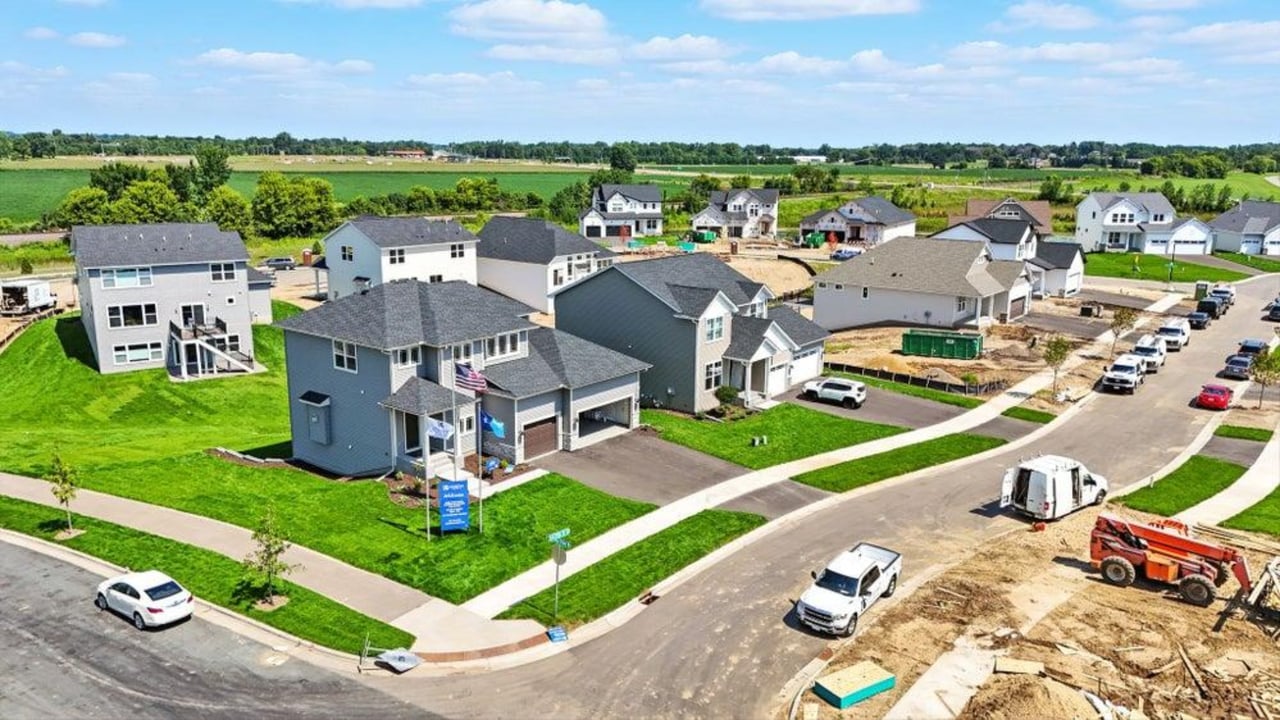
New construction is having a real moment in Washington County. Pulte is building at AirLake in Woodbury, M/I Homes is putting up Mississippi Landing on the old Mississippi Dunes golf course in Cottage Grove, and Lake Elmo alone had close to 95 new-construction homes on the market this spring across builders like Creative Homes, Robert Thomas, and M/I. With Twin Cities resale inventory still tight at roughly 2.7 months of supply and a median sale price near $399,900, a brand-new home with a builder incentive can look like the simpler path.
It can be. But buying new is a different transaction than buying resale, and most of the differences are buried in the paperwork. Here's how I walk east metro buyers through the choice.
New construction vs. resale: the real trade-off
Strip away the marketing and the decision comes down to a few honest trade-offs.
New construction gives you energy-efficient systems built to current code, low maintenance for the first five to ten years, the ability to pick finishes and sometimes a floor plan, builder-paid warranty coverage, and financing incentives most resale sellers can't match. Resale gives you a lower entry price, real negotiating room on price and repairs, an established neighborhood with mature trees, immediate occupancy, and the full protection of the Minnesota Realtors purchase agreement.
The east metro numbers show how close this can be. Pulte's AirLake homes in Woodbury run from about $389,990 for an 1,883-square-foot plan to $622,990 for a 2,644-square-foot, four-bedroom home with a three-car garage. Stonegate's Eastbrooke in Cottage Grove starts in the $450s, and Pulte's Cottage Grove product opens in the low $400s. Those base prices compete well against resale. The catch is that the sticker almost never includes the upgrades buyers actually want, and lot premiums get added on top.
It also helps to know what kind of new home you're buying. A spec home is already built or underway, so you finance it with a regular mortgage and close fast. A build-to-order home gives you more control but takes eight to twelve months, sometimes longer. A model home is usually the builder's furnished sales tool, not for sale. Each one carries a different timeline and a different level of risk.
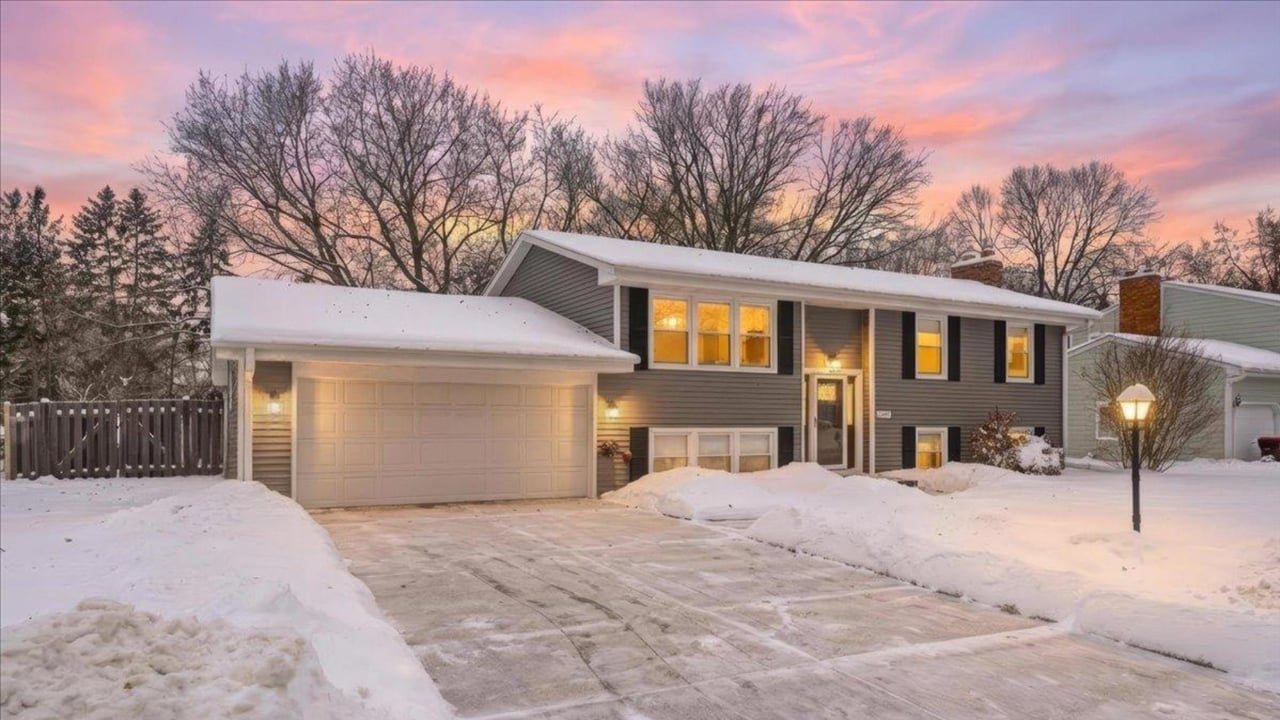
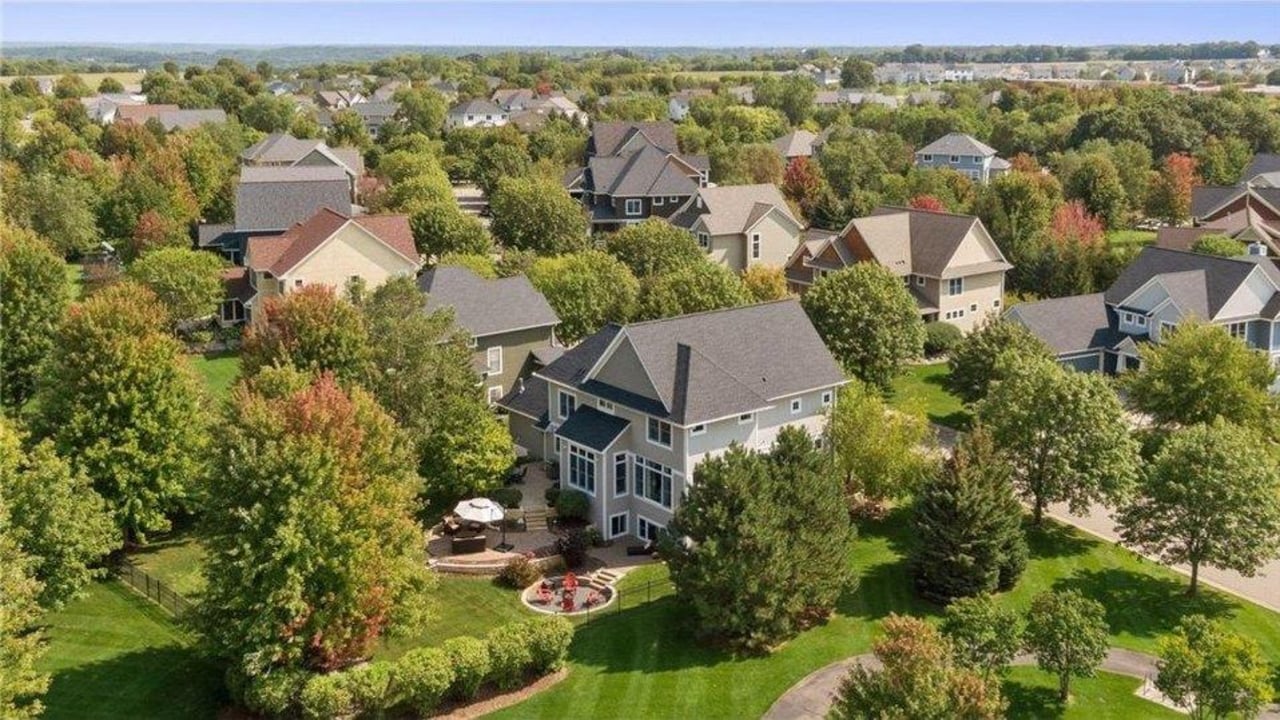
Resale has its own quiet advantages that a glossy model home can hide. An established street in Woodbury or Stillwater comes with grown trees, finished landscaping, a fence, a deck, and window treatments already paid for, none of which show up on a base-price sheet. You can move in next month instead of next spring. And with Twin Cities homes averaging about 45 days on the market, a motivated resale seller will often negotiate on price, repairs, or closing costs in a way a production builder protecting its community pricing simply won't. The right answer depends on whether you're buying for the warranty and the finishes or for the location and the leverage.
Why the builder's contract is the part that trips buyers up
The single most important thing to understand: when you buy new construction, you are usually not signing the Minnesota Realtors purchase agreement you'd use on a resale. You're signing the builder's contract, which can run 10 to 15 pages and is written by the builder's attorneys to protect the builder. Three differences matter most.
There's often no appraisal contingency
On resale, a low appraisal lets you renegotiate or walk away. Many builder contracts are not contingent on the appraisal at all. If the home appraises below the contract price once it's finished, the builder usually won't drop the price, because that would set a low comp for every other home in the community. That leaves you covering the gap in cash, asking your lender for a reconsideration of value, or negotiating upgrade credits instead of a price cut. It's the same low-appraisal problem I cover for resale buyers, but with fewer exits.
Your inspection rights are not automatic
A builder contract may not give you the inspect-and-cancel window the Minnesota Realtors Inspection Contingency gives you on resale. And the city building inspector who signs off in Woodbury or Cottage Grove is checking code compliance, not representing you. I tell every new-construction buyer to hire their own inspector for phase inspections: a pre-pour look before the foundation goes in, a pre-drywall walk while wiring, insulation, and plumbing are still exposed, and a final inspection before closing. Then schedule an 11-month warranty inspection so any defects are documented before your one-year workmanship warranty expires.
Earnest money and deposits work differently
Builders usually ask for more earnest money than a resale seller would, plus separate design-center deposits when you select finishes. Those upgrade deposits can run 25% to 100% of the option price and frequently become non-refundable after a deadline. On resale, your earnest money sits in the listing broker's trust account under MN Statute 82.75 and is protected by your contingencies. On a new build, you need to know exactly when each dollar becomes non-refundable before you hand it over.
One more contract reality: the completion date is an estimate, not a promise. Most builder contracts include force majeure language allowing 6- to 12-month extensions for weather, labor, and supply-chain delays, with no compensation owed to you. Lock your rate long, 90 to 120 days and sometimes 180, and never schedule your current home's closing or your lease-end to land exactly on the projected move-in date.
Here's the Minnesota upside that resale doesn't offer. MN Statute 327A gives a new home a one-year warranty on workmanship and materials, a two-year warranty on plumbing, electrical, heating, and cooling, and a ten-year warranty on major structural defects. Since August 1, 2009, builders must spell those warranties out in writing in the contract, and they transfer to the next owner if you sell. The string attached is the Right to Repair: you have to notify the builder in writing within six months of discovering a defect and let them inspect within 30 days, so document everything.
The mistakes that cost east metro buyers the most
Touring without your agent on the first visit
Since August 17, 2024, you sign a written buyer representation agreement before touring any home. With builders, there's a second rule that catches people off guard: most will only pay your agent's commission if your agent registers you or comes with you on your very first visit. Walk the AirLake model alone on a Saturday, and you may have just given up your right to free representation. Have me register you first, or bring me along. It costs you nothing, and the builder still pays.
Taking the incentive at face value
Builders in 2026 are competing hard with rate buydowns, whether that's a 2-1, a 3-2-1, or a permanent buydown, plus closing-cost credits and preferred-lender packages. Those can be worth real money with rates sitting around 6.5% this June. But the cost of a buydown is often baked into the base price or the design-center markup, and the preferred lender isn't always the better deal. Translate every incentive into two numbers: what it does to your monthly payment and how much cash you bring to closing. And remember that lot premiums and upgrade pricing are negotiable far more often than buyers assume.
Forgetting the tax jump and the moving-day gap
Your first property-tax bill on a new build is often based on land only, before the finished house is assessed. A year or two in, the county reassesses for land plus structure, the bill climbs, and that can short your escrow account and spike your monthly payment. Budget for it now. Because Minnesota reassesses property every year, expect your escrow to move more than once.
None of this means new construction is a bad deal. In a tight east metro market, a new Pulte or M/I home with a real rate buydown can beat a dated resale that needs $40,000 of work. It just means the protections you take for granted on resale have to be built back in by hand, and that's the job of your agent and, when the contract is complex, a real estate attorney.
How to buy new construction in the east metro without surprises
- Register your agent before your first visit. Have me register you or walk the model with you so the builder pays your representation and you keep an advocate at the table.
- Verify the builder. Look up the company at the Minnesota Department of Labor and Industry license lookup to confirm an active residential building contractor license and check for disciplinary history.
- Have your contract reviewed before you sign. A builder contract is not the Minnesota Realtors purchase agreement. Read the appraisal, inspection, deposit, and completion-date terms, and bring in a real estate attorney when the language is heavy.
- Hire your own inspector for phase inspections. Schedule pre-pour, pre-drywall, and final inspections, then an 11-month warranty inspection before your MN Statute 327A one-year warranty expires.
- Run the incentive math and lock your rate long. Convert every buydown and credit into monthly payment and cash to close, negotiate lot premiums and upgrades, and lock 90 to 120 days to cover construction delays.
Frequently Asked Questions
Is new construction more expensive than resale in the east metro?
Base prices are often competitive. Pulte's AirLake homes in Woodbury start around $389,990, and Cottage Grove product opens in the low $400s, which lines up with the Twin Cities median near $399,900. The difference shows up in upgrades, lot premiums, and design-center selections, which can add tens of thousands of dollars beyond the advertised base price.
Do I need a real estate agent to buy new construction in Minnesota?
You're not required to, but you should have one, and timing matters. Most builders only pay your agent's commission if the agent registers you or accompanies you on your first visit, so bring representation before you tour. The builder's sales rep works for the builder, not for you.
Does Minnesota require a warranty on a new construction home?
Yes. MN Statute 327A requires a one-year warranty on workmanship and materials, a two-year warranty on plumbing, electrical, heating, and cooling systems, and a ten-year warranty on major structural defects. The warranties must be written into the contract and transfer to a future buyer, but you have to follow the Right to Repair notice rules to keep coverage.
What happens if my new construction home appraises low?
Many builder contracts have no appraisal contingency, so the builder usually won't lower the price. Your options are to cover the gap in cash, ask your lender for a reconsideration of value, or negotiate upgrade credits in place of a price cut. This is why having an agent review the contract before you sign matters so much.
Should I get an inspection on a brand-new home?
Yes. The city inspector checks code, not your interests, and defects turn up on new builds regularly. Hire your own inspector for pre-pour, pre-drywall, and final inspections, and add an 11-month warranty inspection so problems are documented before your one-year warranty under MN Statute 327A runs out.
Thinking about new construction in Woodbury or the east metro?
Weighing a new build against a resale, or about to walk a model in Woodbury, Lake Elmo, or Cottage Grove? Let me register you with the builder and review the contract before you sign, so you keep your representation, your protections, and your leverage. Reach out at [email protected] or book a call at calendly.com/darintheminnesotan.
Darin Bjerknes | Minnesōtan, Brokered by REAL | [email protected]