What changed in Minnesota's home sale forms on August 1, 2026, and what must a solar seller do?
On August 1, 2026, Minnesota Realtors added a Disclosure Statement: Solar Power System and a solar question on the Seller's Property Disclosure Statement. If your home has panels, you complete the new form, and whether the system is owned, financed, leased, or under a PPA changes what lenders, appraisers, and title companies do. The same release started the Sale of Buyer's Property listing clock at final acceptance and renamed the well contingency to Well Water Inspection Contingency. Pull your solar contract, the lender or lessor name, and the transfer terms before you list.
New 2026 Minnesota Solar Disclosure Form for Home Sellers
By Darin Bjerknes | October 1, 2026
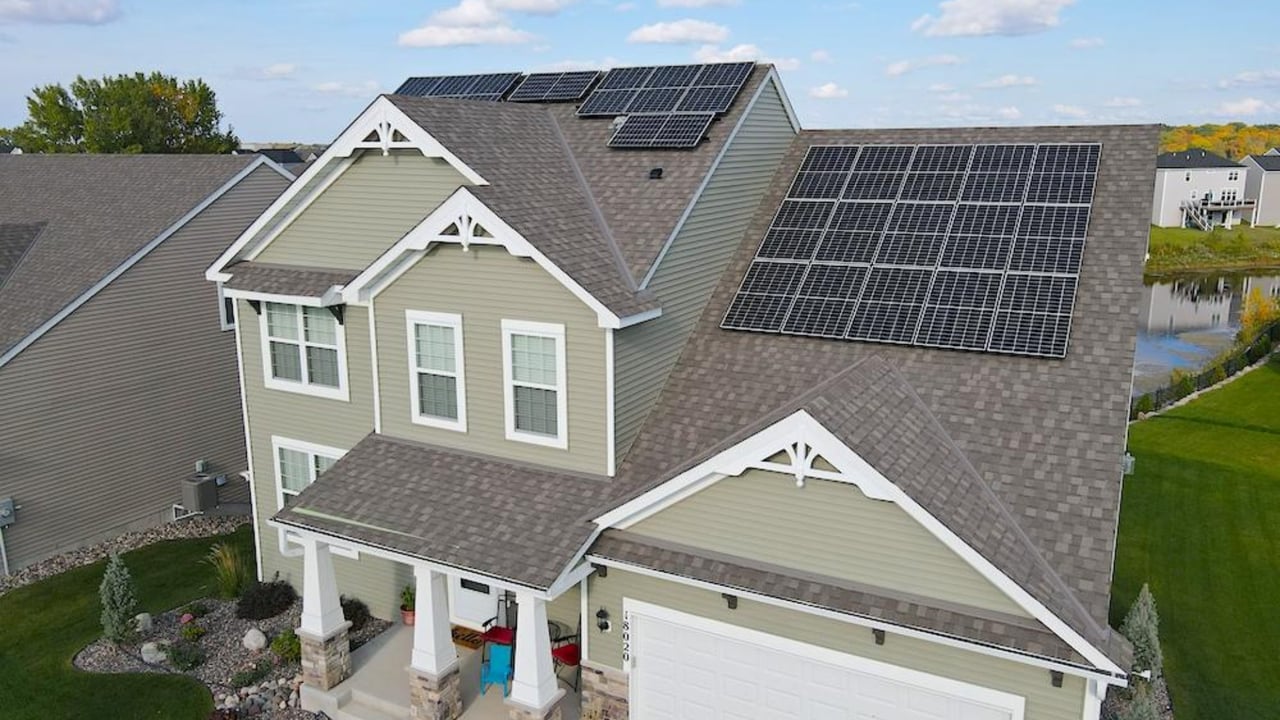
Picture a Woodbury seller getting ready to list in October. The roof carries 24 solar panels installed four years ago. The listing paperwork asks about them, and she realizes she cannot say with confidence whether she owns them, leases them, or owes a lender for them. Every answer changes what the buyer's lender will do, what the appraiser will count, and what the title company finds.
That conversation is now built into the paperwork. On August 1, 2026, Minnesota Realtors released a new form set, and solar sits at the center of it. Here's what changed, what it means for east metro sellers and buyers, and what to gather before you sign anything.
What changed in the Minnesota forms on August 1, 2026
Minnesota Realtors published its 2026 forms changes with an August 1 effective date. These are the changes that touch a typical Washington County sale:
- Disclosure Statement: Solar Power System (new). Minnesota Realtors says it was created so sellers can convey vital information about their solar systems.
- Seller's Property Disclosure Statement. A new solar question at lines 246 to 248 triggers the new solar form when the answer is that the property has a system.
- Addendum: Sale of Buyer's Property. The words "of final acceptance" now follow "days" on line 8. The listing clock starts at final acceptance, not when the offer was submitted.
- Well Water Inspection Contingency. The Purchase Agreement now uses "Well Water Inspection Contingency" instead of "Well Inspection Contingency," and the SSTS and well addendum says "private well water." The change is wording only, but it matters in Afton, Lake Elmo, and rural Stillwater.
- Condominium and townhouse forms. Updated for Minnesota Statute 515B, which now calls for a maintenance plan, maintenance schedule, and maintenance budget in the resale package.
- New Construction Purchase Agreement. Checkboxes now separate "earnest money" from "construction deposit."
- New optional forms. An Agent Material Fact Disclosure, a Referral Agreement, and a Notice Regarding Federal FinCEN Reporting Requirements.
That last form deserves a flag. FinCEN's residential real estate reporting rule for cash purchases by LLCs and trusts was set to start March 1, 2026. A federal court in the Eastern District of Texas vacated it in Flowers Title Companies v. Bessent, and FinCEN said on March 20, 2026 that reporting persons are not currently required to file. Minnesota Realtors approved the form for use only if the rule returns. If a cash buyer using an LLC asks you about it, the answer today is that reporting is paused while the court order stands. Ask your title company where it stands the week you close.
Why solar needed its own form
Solar is the item on a Minnesota listing where "I have panels" can mean four different legal situations. Freddie Mac recognizes the same breakdown:
- Owned free and clear. No debt. The panels can add to appraised value, and there is no payment in the buyer's debt-to-income calculation.
- Financed. You own the system and owe a lender. Whether the panels count in the appraisal depends on how the loan is secured.
- Leased. You pay monthly and do not own the equipment. Fannie Mae, Freddie Mac, FHA, and VA all exclude leased systems from appraised value, according to McKissock's appraisal guidance.
- Power purchase agreement (PPA). You buy the electricity the panels produce. Same appraisal treatment as a lease.
The difference between those four is the difference between a clean closing and a delayed one. Freddie Mac's guidance says a UCC-1 financing statement recorded against the title to the property, creating a lien on the real estate itself, must be subordinated or released. A UCC-1 filed against the panels alone does not require subordination. I walk through the lien side in my post on selling a home with a solar loan and a UCC-1 filing, so here I'll stay on the disclosure side.
Here is the trap. Attorney Stuart Kaplow, writing in a 2017 Green Building Advisor article, points out that title companies often do not search UCC-1 indexes because those indexes are built for business filings, so solar leases are regularly missed. The disclosure form is your first line of defense against that gap. If the title search does not catch a lease or a financing statement, your answer on the form is the only thing standing between a buyer and a surprise obligation.
What the disclosure obligation looks like in practice
Minnesota Statute 513.55 requires a seller to disclose, before signing a purchase agreement, all material facts the seller is aware of that could adversely and significantly affect the buyer's use and enjoyment of the property. A solar lease with a 20-year term and an escalator clause is a material fact. So is a loan secured by a fixture filing. Under Minnesota Statute 513.57, a buyer can bring a civil action for nondisclosure within two years, which I cover in more depth in my post on selling as-is in Minnesota.
I am not an attorney, and the exact fields on the new form are worth reading in full before you complete it. What I tell sellers is to pull these items before the form comes out:
- The original solar contract, whether purchase, lease, or PPA
- The name of the lender, lessor, or PPA provider, plus a current payoff or buyout figure
- The transfer or assignment terms, including notice periods and any buyer credit requirements
- The monthly payment, escalator, and remaining term
- Your utility interconnection paperwork and any production incentive enrollment
- The inverter and panel warranty documents
The three paths for a solar seller
Every east metro solar sale I have seen lands in one of three places.
Path one: you own it outright. Disclose it, document it, and price it. An owned system can add to appraised value under Freddie Mac's guidance. The risk here is not the system. It is a seller who cannot produce the paperwork when the appraiser asks for it.
Path two: you owe a lender. Your loan either gets paid off from proceeds at closing or, in some cases, the buyer's lender will subordinate or accept a UCC-1 that sits on the panels only. Get the payoff statement early. Lenders and solar finance companies have their own timelines, and a payoff request started the week of an inspection can run behind a 30-day closing.
Path three: you lease or have a PPA. The usual route is that the buyer assumes the lease. Solar.com says the new buyer assumes the lease in the vast majority of sales, with the provider running the credit check and paperwork. The catch is timing and approval. Kaplow's article notes that some lease agreements require 15 to 90 days' advance notice and that some set minimum credit scores, with one example at a 650 FICO. If the buyer does not qualify or the provider is slow, your other options are a prepayment at a discounted rate or a fair market value buyout, and a buyout is often not available in the first five or six years because of tax equity rules.
If your buyer is using FHA, VA, or conventional financing, the lease payment may also be treated differently in their debt-to-income calculation. Freddie Mac allows excluding lease payments only when the lease provides for delivery of a specific amount of energy for an agreed payment and includes a production guarantee. PPA payments can be excluded if calculated based only on the energy generated. A lender who sees a lease without those terms may count the payment against your buyer.
The contingency clock change, and why it matters this fall
The "of final acceptance" fix is small and it solves a real argument. Under the Sale of Buyer's Property addendum, a buyer who has a home to sell agrees to list it within a set number of days. Before August 1, the wording left room to argue about whether that clock started when the offer went out or when everyone had signed. Now it starts at final acceptance.
Here is why it matters now. Minnesota Realtors' August report put the Twin Cities metro median at $405,000, with 45 days on market, 98.2 percent of list price received, and new listings up 8.2 percent. Inventory statewide passed 20,000 homes, a seven-year high, and pending sales fell for the first time in five months. Freddie Mac's 30-year average was 7.03 percent on September 24. In that mix, contingent buyers are common, and the days start counting the moment you accept. If you are the seller, mark the final acceptance date on a calendar the day it happens and confirm the buyer's listing date in writing. I walk through the other side of that clause in my post on what happens when a seller activates the kick-out clause. Market figures are directional and results may vary by neighborhood and price point.
Where the east metro feels these changes first
Anyone who added panels in Woodbury, Cottage Grove, or Lake Elmo in the last several years is now weighing a move, and many of them are move-up sellers with a purchase of their own to coordinate. The well water change is the one you will notice in Afton and Lake Elmo, and the 515B maintenance plan language will show up in Woodbury townhome resale packages, which I cover in my post on the HOA resale disclosure certificate.
Whatever you find in your paperwork, take it to a licensed Minnesota real estate attorney or your title company before you answer in writing. I can tell you what I see at closing tables, but I cannot give you legal advice on your specific agreement.
Frequently Asked Questions
Do I have to fill out the new solar disclosure form in Minnesota?
The Seller's Property Disclosure Statement now asks a solar question, and an answer that the property has a system triggers the Disclosure Statement: Solar Power System, per Minnesota Realtors' 2026 forms changes effective August 1, 2026. Separately, Minnesota Statute 513.55 requires disclosure of material facts you know about. A solar lease or loan is one. Confirm your obligations with a licensed Minnesota real estate attorney.
Do leased solar panels add value to my home in an appraisal?
No. Fannie Mae, Freddie Mac, FHA, and VA guidance treat leased panels and power purchase agreement systems as personal property excluded from appraised value. Owned systems can be counted. Panels financed as part of the real estate may also be considered, depending on how the loan is secured.
Can a buyer assume my solar lease in Minnesota?
In most sales, yes. Solar.com reports that in the vast majority of sales the buyer assumes the lease, with the provider running a credit check. Some leases require 15 to 90 days of advance notice and minimum credit scores, so start the transfer request as soon as you list.
What does 'of final acceptance' change in the Sale of Buyer's Property addendum?
It clarifies that the days a buyer has to list their existing home start on the date of final acceptance of the purchase agreement, not the date the offer was submitted. Minnesota Realtors added the wording to line 8 of the addendum, effective August 1, 2026.
Do I need to report a cash sale to an LLC to FinCEN in Minnesota right now?
Not currently. A federal court in the Eastern District of Texas vacated FinCEN's residential real estate reporting rule in March 2026, and FinCEN said reporting persons are not currently required to file. Minnesota Realtors approved its FinCEN notice form for use only if the requirement returns, so ask your title company for current status at closing.
How to Prepare to Sell a Solar Home Under the 2026 Minnesota Forms
- Identify your ownership structure. Read your solar paperwork and decide whether the system is owned outright, financed, leased, or under a power purchase agreement. Call the installer or finance company if the documents are unclear.
- Collect the documents. Pull the original contract, the lender or lessor name, a current payoff or buyout figure, the transfer terms, the monthly payment and remaining term, interconnection paperwork, and warranties.
- Check the title for a UCC-1. Ask your title company to search for a UCC-1 fixture filing against the property and for any filing against the panels. A filing on the real estate must be released or subordinated for most lenders.
- Start the lender or lessor request. Request a payoff statement or lease transfer packet the week you list. Some leases require 15 to 90 days of notice, and payoffs can take longer than a 30-day closing.
- Complete the forms and calendar the dates. Answer the solar question on the Seller's Property Disclosure Statement, complete the Solar Power System form, and record the final acceptance date to track any Sale of Buyer's Property deadline.
Thinking about selling a home with solar panels in Woodbury or the east metro? Let's pull your paperwork together before you list so the disclosure form, the title search, and the buyer's lender all tell the same story. Reach out at [email protected] or book a call at calendly.com/darintheminnesotan.
Contact a licensed Minnesota real estate attorney or title company for legal questions about your specific transaction. Results may vary.
About the Author: Darin Bjerknes | Minnesōtan, Brokered by REAL | [email protected]