Exploratory Drilling Near the Boundary Waters Reignites a Longstanding Minnesota Debate
You might want to pay attention to this.
The Minnesota Department of Natural Resources has approved exploratory drilling near the Boundary Waters Canoe Area Wilderness, allowing a subsidiary of Twin Metals Minnesota to drill 19 test sites around Birch Lake near Ely.
State officials emphasize that this is data collection only, not mining. No ore extraction. No processing. No construction of a mine.
But for many Minnesotans, that distinction does not settle the concern.
What Was Approved
The drilling will be conducted by Franconia Minerals, a subsidiary of Twin Metals Minnesota.
According to the DNR:
• The activity is limited to exploratory drilling
• Strict environmental conditions apply
• The goal is to understand subsurface geology
Supporters view this as responsible resource assessment. Critics see it as the opening move in a much larger process.
Why Critics Are Alarmed
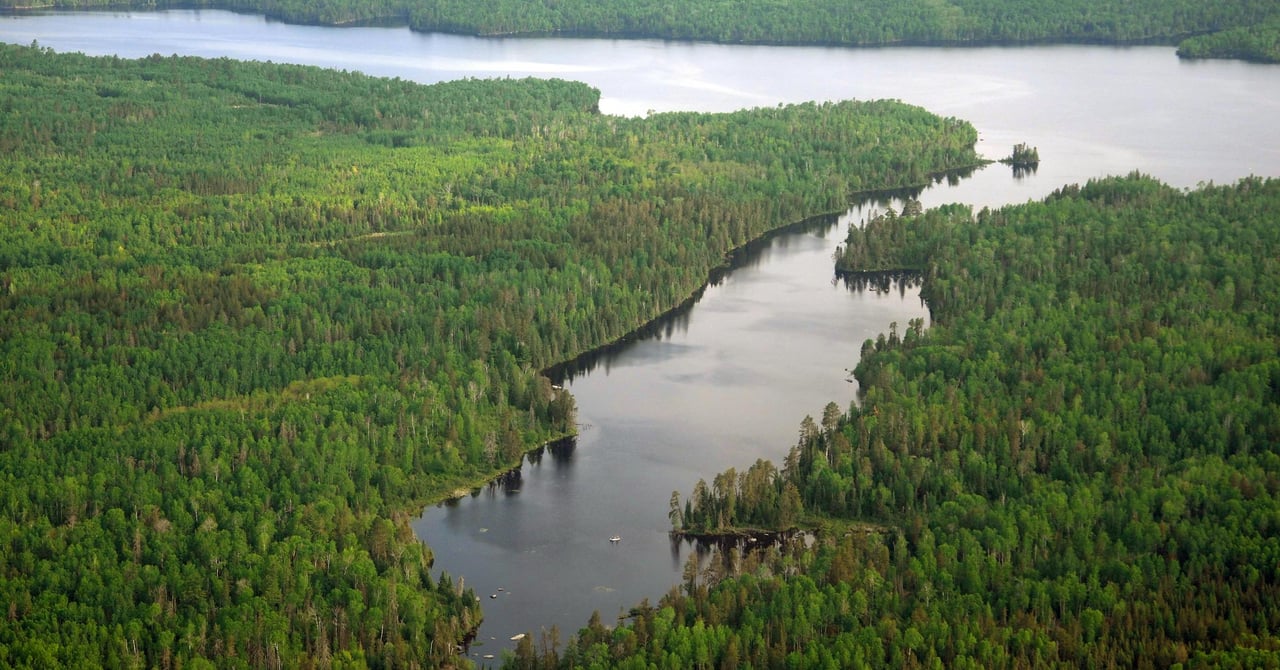
The proposed drilling sites sit in a watershed that flows directly into the Boundary Waters.
Opponents argue that once exploration data exists, it rarely stays neutral. That data often becomes the foundation for:
• Future permit applications
• Legal challenges
• Political pressure
• Long term land use debates
In other words, this decision is not just about drills. It is about precedent.
The Bigger Stakes for Northern Minnesota
The Boundary Waters is not only a protected wilderness. It is a cornerstone of northern Minnesota’s identity and economy.
Tourism, outfitting, cabins, and seasonal businesses depend on the perception and reality of clean, protected water. Any activity upstream raises questions that ripple outward.
Those ripple effects touch:
• Property values
• Local employment
• Long term tourism confidence
• The national image of Minnesota’s Northland
That is why this issue has repeatedly landed at the center of state and federal politics.
A Debate That Never Really Went Away
Different governors have taken different stances. Federal administrations have shifted policy back and forth. Court challenges have come and gone.
This approval brings the debate back to the surface.
Supporters frame it as planning and transparency.
Opponents see it as crossing a line that should remain firm.
Why This Matters Even If You Live Far Away
Even if you do not live near Ely, this decision matters.
It shapes how Minnesota balances:
• Resource development
• Environmental protection
• Rural economies
• Long term land stewardship
The outcome influences how future projects are evaluated across the state, not just near the Boundary Waters.