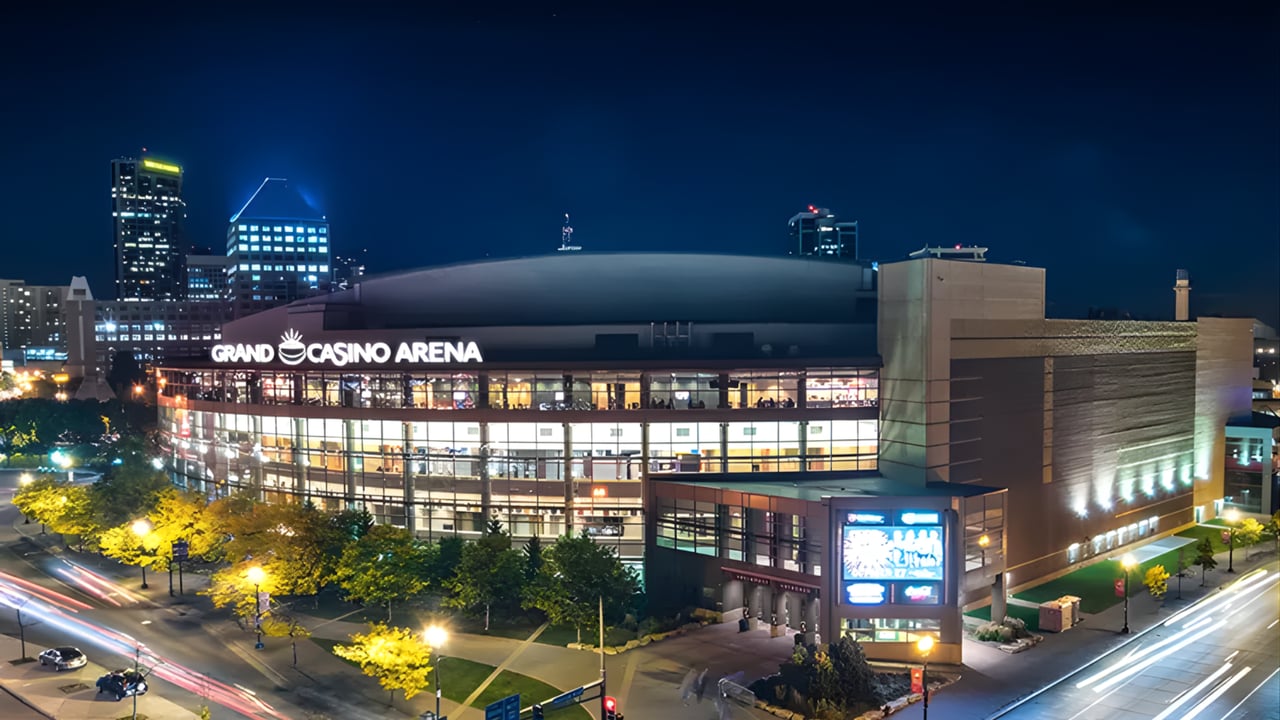
The Minnesota Wild's Big Vision for Downtown St. Paul
The Minnesota Wild are making their biggest push yet to transform downtown St. Paul — and if the plan comes together, the ripple effects on local real estate could be significant.
What the Wild Are Proposing
Owner Craig Leipold and CEO Matt Majka have outlined a $600 million overhaul of the Grand Casino Arena campus, the Roy Wilkins Auditorium, and the surrounding blocks of downtown St. Paul. The Wild are asking the Minnesota Legislature for $200 million in public funding, with the city and team covering the remaining $400 million.
The vision draws heavily from Milwaukee's Deer District — the entertainment zone surrounding Fiserv Forum that transformed game days into full-neighborhood experiences, driving foot traffic and spending for restaurants and retailers well beyond the arena itself.
Planned upgrades include:
- Expanded concourses
- All-inclusive fan experiences
- An indoor-outdoor rooftop patio
- Modernized infrastructure throughout the aging facility
The Roy Wilkins Auditorium renovation alone is projected to add 75 events annually, attracting touring acts that currently skip the St. Paul market entirely.
Why Downtown St. Paul Needs This
Downtown St. Paul's office vacancy rate currently sits at 31%, according to the Greater St. Paul Building Owners and Managers Association — a number that reflects a broader national trend of remote and hybrid work hollowing out central business districts.
City and Wild leaders are responding by betting on entertainment and residential density rather than office recovery. The plan includes converting vacant midtown office buildings between the arena district and Lowertown into residential housing.
Major downtown employers like Travelers, Securian, and Ecolab have reportedly expressed support for the idea, seeing an opportunity for employees to live closer to the office.
What This Could Mean for the Real Estate Market
Entertainment districts have a well-documented effect on surrounding neighborhoods. When Milwaukee opened the Deer District, property values and residential development in adjacent areas accelerated.
In Minneapolis, the North Loop's transformation — driven by a strong residential base and thriving restaurant scene — offers a closer-to-home example of what's possible.
If St. Paul's midtown corridor successfully converts office vacancy into residential units, Twin Cities buyers and investors could see new inventory open up in an area that's been largely off the radar for years.
Key drivers of housing demand include:
- Walkability
- Transit access
- Proximity to events
This plan targets all three.
What Happens Next
Lawmakers are expected to take up bonding proposals later this legislative session. Leipold said this is the year they need to see real movement.
Whether this becomes the catalyst St. Paul has been waiting for — or another plan that stalls in committee — is worth watching closely, especially if you have any interest in buying, selling, or investing in the area.
Thinking about buying or selling in the Twin Cities? Let's talk.
Text Darin Bjerknes at 612-702-5126 or DM on Instagram @darintheminnesotan.