Can a co-owner force the sale of a jointly owned home in Minnesota?
Yes. Under the 2025 Minnesota Partition Act (Chapter 558A), which took effect August 1, 2025, any joint tenant or tenant in common can ask a district court to force the sale of a co-owned property, even if the other owners refuse. The court can order an open-market sale through a court-appointed referee and split the proceeds by ownership share, and it can shift attorney fees onto an owner who refused to cooperate. A forced partition sale usually nets less than a normal listing, so the smarter move is often to agree to sell or buy out before anyone files.
By Darin Bjerknes | August 3, 2026
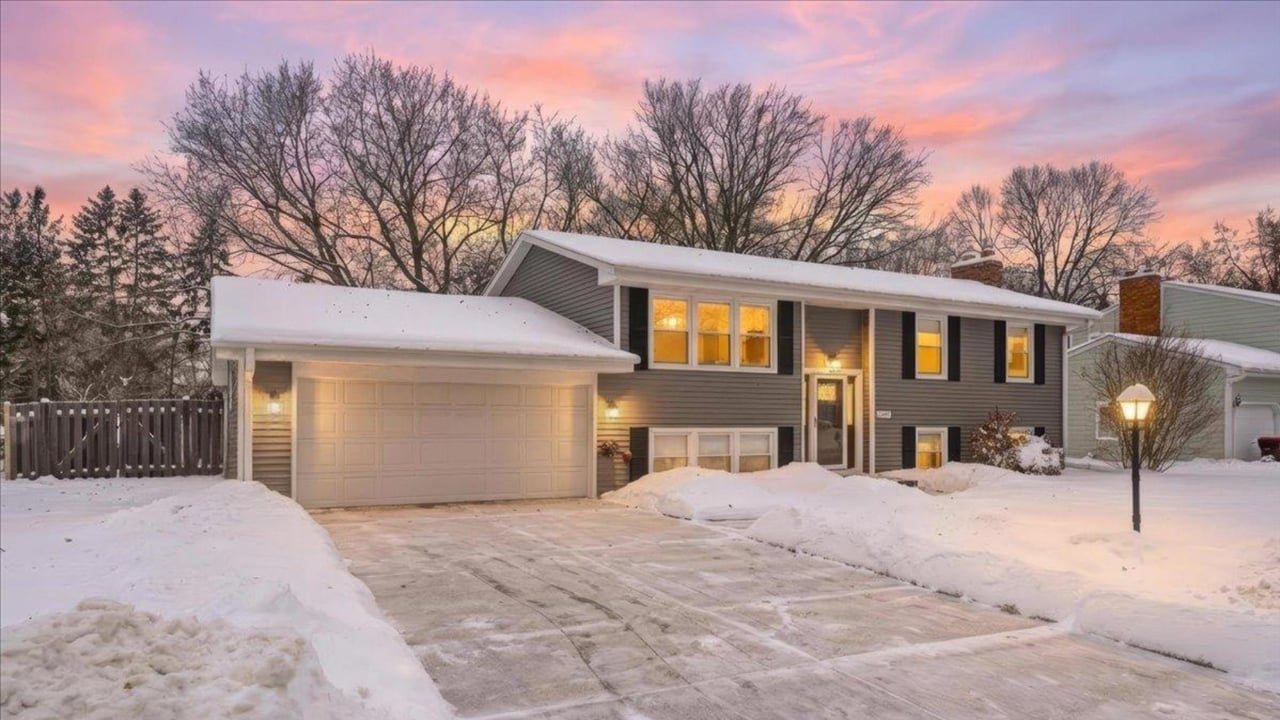
Two sisters inherit their parents' house off Manning Avenue in Lake Elmo. One wants to sell and take the cash. The other wants to keep it, or at least wait. Neither will move, the property taxes keep coming, and the house sits empty through another Minnesota winter.
I see a version of this every year in the east metro. Sometimes it's siblings and an inherited home or a St. Croix cabin. Sometimes it's an unmarried couple who bought together in Woodbury and then split up. Sometimes it's business partners, or a parent and an adult child on the same deed. The property is co-owned, the owners want different things, and one person feels stuck.
Here's the question that lands in my inbox: can the other owner force a sale, even if I say no? In Minnesota, the answer is usually yes. And a law that took effect on August 1, 2025 changed how that plays out. Here's what you need to know before it turns into a court fight.
What a partition action actually does
A partition action is the legal tool that breaks a co-ownership deadlock. One co-owner files a lawsuit asking a district court to either divide the property or, far more often with a single house, sell it and split the proceeds by ownership share.
The part most people miss: you do not have to prove the other owner did anything wrong, and you do not have to show an emergency. Under Minnesota Statute 558A.03, if you hold a share as a joint tenant or a tenant in common, you have the right to ask the court to end the arrangement. Owning part of the property is enough.
That right covers most of the co-ownership situations I see:
- Siblings who inherited a house or cabin together and now disagree
- An unmarried couple who bought a home together and then broke up
- Relatives, friends, or business partners on the same deed
- A parent and an adult child who co-own
There is one big exception. If you are married and the property is your homestead, your spouse cannot sell or partition it out from under you. Minnesota Statute 507.02 requires both spouses to sign to convey a homestead, and a married couple divides the house in family court under Statute 518.58, not through partition. If that's your situation, what happens to your home in a Minnesota divorce is the guide you want. Partition is the tool for co-owners who are not married to each other.
What the 2025 Partition Act changed
For more than a century, Minnesota partition cases ran under Chapter 558. The 2025 Minnesota Partition Act, Chapter 558A, replaced it for every case filed on or after August 1, 2025. A few changes matter for you.
The court can order a real sale, not a courthouse auction. Under the old law, a "partition in kind," physically splitting the land, was the technical default, and forcing a sale meant clearing a higher bar. That made little sense for a house you cannot cut in half. The new law lets the judge order "a sale... and division of the proceeds," a partition in kind, "or any other fair and equitable remedy" (558A.03). For a Woodbury or Cottage Grove house, that almost always means a sale.
The judge weighs who is attached to the property, and who paid for it. Section 558A.11 tells the court to consider a co-owner's sentimental or ancestral attachment, how long the family has owned the property, and whether one owner has been carrying the property taxes, insurance, and upkeep while the others have not. If you are the sibling who kept the cabin standing, that now counts in your favor.
Refusing to cooperate can cost you. This is the change I point clients to first. Under Section 558A.19, the court can shift attorney fees and costs based on "the actions of the parties necessitating the partition" and "the conduct and cooperation of the parties." The court can docket that fee judgment and enforce it against your property, including a homestead. Dragging out a partition out of spite is now a financial risk, not a free delay tactic.
A neutral referee runs the sale. The court appoints one to three disinterested referees (558A.08), who can hire an appraiser, a real estate broker, and other help to bring "the highest and best price" (558A.10). A co-owner can be the buyer at that sale (558A.15), which is one way a buyout happens inside the case.
None of this is fast or cheap. Filing starts around $310 in the county where the property sits, which for most of my clients is Washington County District Court in Stillwater. An uncontested partition often runs $5,000 to $15,000 in fees and six to twelve months. A contested one can hit $25,000 to $50,000 or more and stretch past eighteen months. And it comes out first: Section 558A.22 pays court costs, the referee, attorney fees, and any liens before the owners split what's left by share.
Your three paths when a co-owner won't cooperate
When someone calls me about a stuck co-owned property, we look at three paths.
1. One owner buys the others out. If you want to keep the house, you can pay the other owners for their shares. This usually means a fresh valuation and often a refinance to pull the equity out. With 30-year rates sitting near 6.5 to 6.8 percent this summer, run that payment before you commit. A clean buyout keeps the property in the family and skips the court entirely. This is common with an inherited home, so it's worth reading how selling an inherited home in Minnesota affects each heir's basis and taxes before you set a buyout price.
2. Agree to sell together on the open market. This is the path I push hardest, because it protects the money. A normal listing almost always nets more than a court-supervised sale. You control the price, timing, and buyer pool, and you skip the referee fees, attorney fees, and carrying costs that pile up during litigation. In the east metro right now, with Woodbury homes still moving in about 44 days near 99 percent of list price, a well-run cooperative sale puts real money in each owner's pocket. You split the proceeds by share at the title company and everyone moves on. It's worth walking through what it costs to sell a home in the east metro so no owner is surprised by the net.
3. File a partition action. When one owner truly will not engage, this is the backstop, and the 2025 law makes it more workable than it used to be. Just know what you are signing up for: months of process, real legal cost, and a sale you no longer fully control. The fee-shifting rule in 558A.19 is your leverage. If you have been reasonable and the other owner has not, the court can make them carry more of the cost.
Here's the pattern I see: the threat of a partition action, filed correctly, is often what brings an uncooperative co-owner to the table. Most of these never need a judge. They need one owner to understand that "no" is not a permanent answer, and that cooperating now nets everyone more than fighting later. If the property is still tied up in an estate rather than already deeded to the heirs, it runs through probate instead, and selling a home during probate in Minnesota is the better starting point.
How to resolve a co-owned property standoff in Minnesota
- Confirm how title is held. Pull the deed and check whether you own as joint tenants or tenants in common, and what each share is. When a deed is silent, Minnesota presumes tenancy in common.
- Get a current valuation. Get a real market analysis so every owner is working from the same number before anyone argues price.
- Try a buyout or cooperative sale first. Offer to buy the others out at that value, or list together and split the proceeds by share. Both are faster and net more than court.
- Put the agreement in writing. Whatever you land on, get it signed. A written co-ownership or settlement agreement keeps a deal from unraveling.
- If you are still stuck, talk to a real estate attorney. Only after cooperation fails should you file under Chapter 558A. An attorney handles the lawsuit; a local agent sells the property to protect the proceeds.
Frequently Asked Questions
Can one owner force the sale of a house in Minnesota?
Usually yes. Under the 2025 Minnesota Partition Act, any joint tenant or tenant in common can file a partition action and ask a court to order the property sold, even if the other owners object. The main exception is a married couple's homestead, which cannot be sold without both spouses' consent.
How much does a partition action cost in Minnesota?
Filing starts around $310, but the real cost is in attorney and referee fees. An uncontested case often runs $5,000 to $15,000, while a contested one can reach $25,000 to $50,000 or more. Those costs come out of the sale proceeds before the owners are paid.
How long does a partition action take?
An uncontested partition usually takes six to twelve months. A contested case can run eighteen months or longer. That timeline is a big reason a negotiated buyout or a cooperative sale is almost always the faster route.
Can I stop my sibling from forcing the sale of an inherited house?
You generally cannot block the partition right itself, but you have options. You can buy out your sibling's share, and the 2025 law lets a judge weigh your sentimental attachment and whether you have been paying the taxes and upkeep. Many disputes settle through a buyout or a mediated agreement before a judge ever rules.
Does the Partition Act apply to a married couple getting divorced?
No. A married couple's homestead is protected by Minnesota Statute 507.02, and the house is divided in family court under the divorce statutes, not through partition. Partition is for co-owners who are not married to each other, such as siblings, unmarried partners, or business partners.
Before it turns into a court fight
A co-owned property does not have to end in a courtroom. In almost every case I see, the owners net more, and keep more of their relationships intact, by agreeing to sell or buy out before anyone files. The 2025 Partition Act is the pressure that gets people there. It is rarely the best place to finish.
If you are stuck on a co-owned home or cabin in Woodbury, Stillwater, Lake Elmo, or anywhere in the east metro, book a free consultation at https://calendly.com/darintheminnesotan. No pressure, just a straightforward conversation about your options and what a sale would put in each owner's pocket. I'm a REALTOR, not an attorney, so for the filing itself I'll point you to a good real estate lawyer. For protecting the value of the property, that's exactly what I do.
About Darin Bjerknes
Darin Bjerknes is a licensed REALTOR with Minnesōtan, Brokered by REAL, serving the Twin Cities east metro for over 20 years. He specializes in move-up buyers and the luxury segment across Woodbury, Afton, Stillwater, Cottage Grove, Lake Elmo, and surrounding Washington, Ramsey, and Dakota County communities. Connect with Darin at darinbjerknes.com or call 612-702-5126.
Darin Bjerknes | Minnesōtan, Brokered by REAL | [email protected]