AI Glasses Arrive in the Workplace. So Do Big Legal Questions.
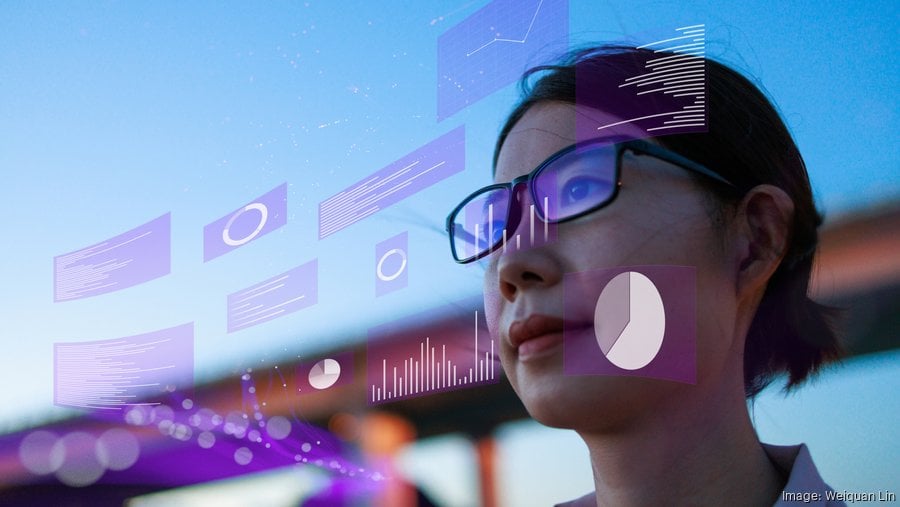
AI-powered glasses are no longer a futuristic concept. They’re here, and companies across Minnesota and the Twin Cities are starting to feel the pressure to respond. With products from Meta, Ray-Ban, Alibaba, Solos, Xiaomi, and others hitting the market, workplaces now face a mix of opportunity and serious risk.
Why AI Glasses Matter for Minnesota Workplaces
These devices offer impressive capabilities. Real-time translation. Object recognition. Hands-free recording. Instant access to AI tools like ChatGPT. On paper, that sounds useful for customer service teams, field workers, and fast-paced industries across the Twin Cities.
But employers quickly realized the technology introduces challenges they can’t ignore. An employee wearing AI glasses can record a conversation without anyone noticing. They can capture proprietary information. They can unintentionally upload confidential data into an AI system.
In competitive markets such as Minneapolis, St. Paul, Edina, Woodbury, or Maple Grove, that’s a real problem.
The Legal Risks Businesses Need to Address
Legal experts are already warning that companies must act early. The biggest risks fall into a few categories.
• Privacy laws around audio and video recording
• Trade secret protection and intellectual property
• HIPAA compliance for healthcare workers
• ADA accommodations for employees requesting AI glasses
• Liability when an employee misuses the technology
Minnesota is a one-party consent state for recording, but many workplaces involve multi-party conversations, private offices, and sensitive information. A recording made with AI glasses can easily cross legal lines employers didn’t intend.
Why Policies Are Now Essential
Businesses that don’t have a policy yet are already behind. A clear set of rules covering where, when, and how AI glasses can be used helps employers avoid both conflict and liability. Many companies are considering designated “no-recording zones,” storage lockers for restricted devices, or complete bans.
Consistency is critical. If rules aren't applied equally, businesses invite workplace disputes and potential discrimination claims.
Early Lawsuits Show What’s Coming
Legal cases involving AI glasses are already landing in court. One Disney World employee filed a lawsuit after the company denied their request to wear doctor-prescribed Meta Ray-Ban glasses. More cases are expected as the technology spreads.
AI systems in general are also under scrutiny, including a collective-action lawsuit against Workday’s hiring algorithms. AI tools are growing fast, and the legal system is racing to catch up.
For Minnesota companies, the message is simple. The time to set expectations is now.
If you’re a business owner, manager, HR leader, or team lead in the Twin Cities area, this is a moment to pay close attention. The workplace is changing quickly, and being proactive will protect your people and your organization.
Looking to stay on top of Twin Cities developments, tech trends, and local real estate insights. I help you stay informed and make smarter decisions. Reach out anytime if you want to connect.