Why Is Minnesota Closing Stillwater Prison? The Facts, Reactions, and What’s Next
Why Is Minnesota Closing Stillwater Prison? The Facts, Reactions, and What’s Next
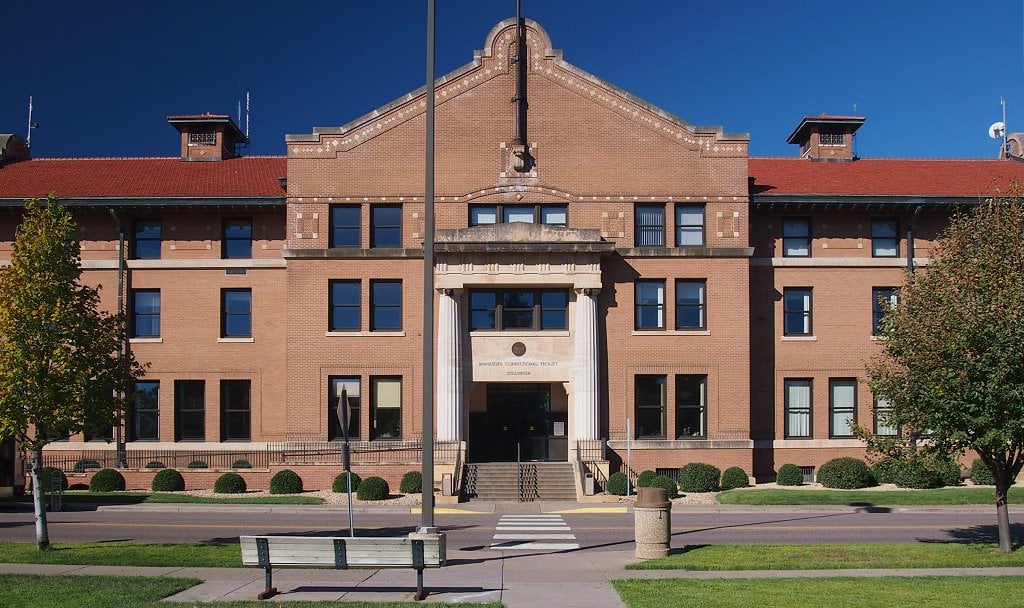
The planned closure of the Stillwater Correctional Facility—Minnesota’s second-oldest prison—has sparked major debate across the state. Governor Tim Walz and legislative leaders announced in May 2025 that the prison would be closed by June 2029 as part of a broader budget deal. But since then, lawmakers and community members have raised serious concerns over the process—and what it could mean for public safety.
What’s Happening?
As of late July, roughly 400 of the 1,200 inmates at Stillwater have already been moved to other correctional facilities. By October, that number is expected to drop to under 600, effectively cutting the prison’s population in half in just five months.
The Minnesota Department of Corrections (DOC) says the decision was financially necessary: the aging facility needs $180 million in deferred maintenance, and building a new prison would cost over $1.3 billion.
Why Are Lawmakers Upset?
Several lawmakers, including Senator Karin Housley (R-Stillwater) and Senator Warren Limmer (R-Maple Grove), say the decision lacked transparency. They argue there were no public hearings, no legislative debate, and no consultation with the Judiciary and Public Safety Committee—despite the facility housing violent and predatory inmates.
Senator Limmer stated the closure “will do nothing but lead to the further erosion of public safety throughout Minnesota.”
Are Inmates Being Released Early?
One of the biggest concerns raised is whether this closure will lead to early releases. DOC Commissioner Paul Schnell insists that no early releases are part of this plan, emphasizing that all early release programs follow existing state law and are unrelated to this closure.
What Happens to the Staff?
Roughly 450 correctional workers at Stillwater will be offered jobs elsewhere within the Minnesota corrections system.
What’s Next?
Stillwater Prison is expected to fully shut down by June 2029. A detailed update on the closure timeline and logistics is expected to be delivered to lawmakers by the end of this week.