Minnesota Youth Fishing Is Growing in 2026, and Here Is What Is Fueling It
Minnesota Youth Fishing Is Growing Again
Minnesota's 2026 fishing season opens Saturday, May 9, and this year's opener comes with a trend that is getting serious attention statewide. Youth fishing participation is climbing again, and the programs driving the growth are becoming more organized, competitive, and accessible than ever before.
For a state where fishing is deeply tied to lifestyle, tourism, and family tradition, the rebound matters far beyond just recreation.
The Numbers Behind the Growth
According to Minnesota DNR data, roughly 111,000 fishing licenses were sold to anglers ages 16 to 20 in 2025. That marks an increase of more than 15% compared to 2023, reversing the participation decline that followed the pandemic-era surge in outdoor activities.
One statistic stands out above the rest: according to research from the Outdoor Foundation and the Recreational Fishing and Boating Foundation, approximately 85% of anglers started fishing before age 12.
That matters because participation historically drops once young people enter their late teens. Minnesota's current youth fishing programs are focused specifically on solving that problem by building long-term habits early.
Competitive Fishing Is Becoming a Real Youth Sport
One of the biggest forces behind the growth is competitive bass fishing.
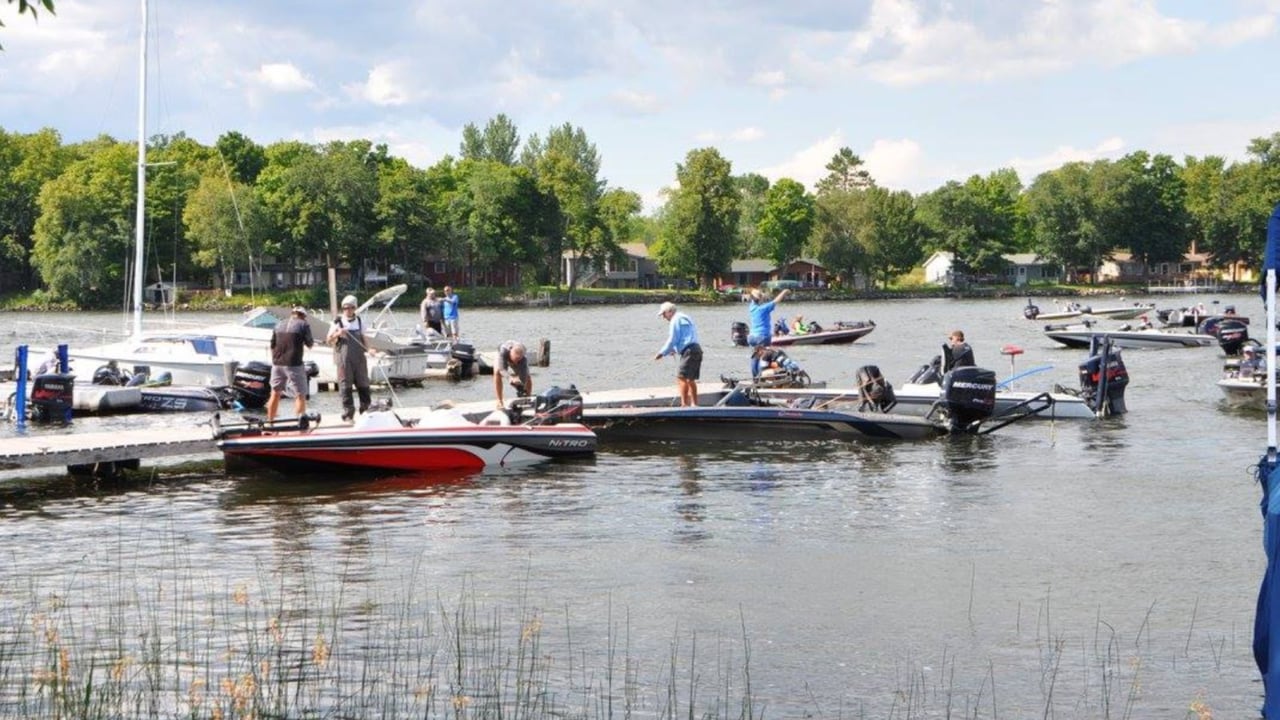
Minnesota now has several structured youth circuits, including the Student Angler Tournament Trail, Minnesota Junior BASS Nation, and the Student Angler Federation. These leagues function similarly to traditional youth sports, with conferences, tournaments, rankings, and organized coaching.
Minnesota Junior BASS Nation alone expects around 900 anglers to compete during the 2026 season across junior and high school divisions.
The growth has been especially noticeable in the Twin Cities suburbs. Derick Doberstein, a teacher at Rogers High School and tournament director for BASS Nation, said his school operated four fishing teams in 2015. Today there are 10 conferences statewide, with six located in the metro area.
The Minnesota Youth Fishing Organization is also expanding this year with additional middle school tournaments designed to create a pipeline for younger anglers entering the sport.
Free Fishing Programs Are Expanding Access
Competition is only part of the story. Community-based programs are also introducing thousands of new families to fishing every year.
Baztec Fishing and Outdoors, a Minnesota nonprofit led by former DNR fishing skills educator Ray Ruiz, hosts between 40 and 50 free events annually across the Twin Cities and greater Minnesota. More than 2,100 families participated last year alone.
The program provides equipment, instruction, and access at no cost, with a strong focus on reaching families and communities that may not have traditional access to the sport.
The Minnesota DNR is expanding access as well through its "I Can Fish" program at 24 state parks across the state beginning in June. Kids ages 5 through 17 can participate, and many locations offer free rod and tackle rentals.
The DNR's Fishing in the Neighborhood program also manages and stocks approximately 70 ponds and small lakes throughout the Twin Cities metro area, many featuring fishing piers designed for easier access.
Why This Matters for the Twin Cities and East Metro
For families living in Woodbury, Cottage Grove, Stillwater, Lake Elmo, Afton, and surrounding east metro communities, youth fishing access is stronger than many people realize.
Stocked metro lakes, organized youth leagues, state park programming, and nonprofit events are creating a much clearer entry point for kids who want to fish recreationally or competitively.
Minnesota has always had a strong outdoor identity. What is changing now is the structure supporting the next generation of anglers.
That matters for communities because access to outdoor recreation is increasingly tied to quality of life, family activities, and even how buyers evaluate neighborhoods throughout the Twin Cities metro.
Thinking about buying or selling in the Twin Cities? Let's talk. Text Darin Bjerknes at 612-702-5126 or DM on Instagram @darintheminnesotan.