Do I have to apply for homestead after buying a home in Minnesota, and what is the deadline?
Yes. Minnesota does not carry a seller’s homestead classification over to the buyer, so you apply with your county assessor. The Minnesota Department of Revenue says to apply by December 31 to qualify for taxes payable the next year, and Washington County asks new owners to file within 30 days of moving in. The old December 15 date still floats around in agent blogs. At east metro prices above $517,200 the homestead market value exclusion is zero, so the yearly tax savings can be small, but the classification still gates the state’s homestead credit refund and other programs tied to it.
By Darin Bjerknes | October 14, 2026
Minnesota Homestead Deadline for New Buyers (Dec. 31)
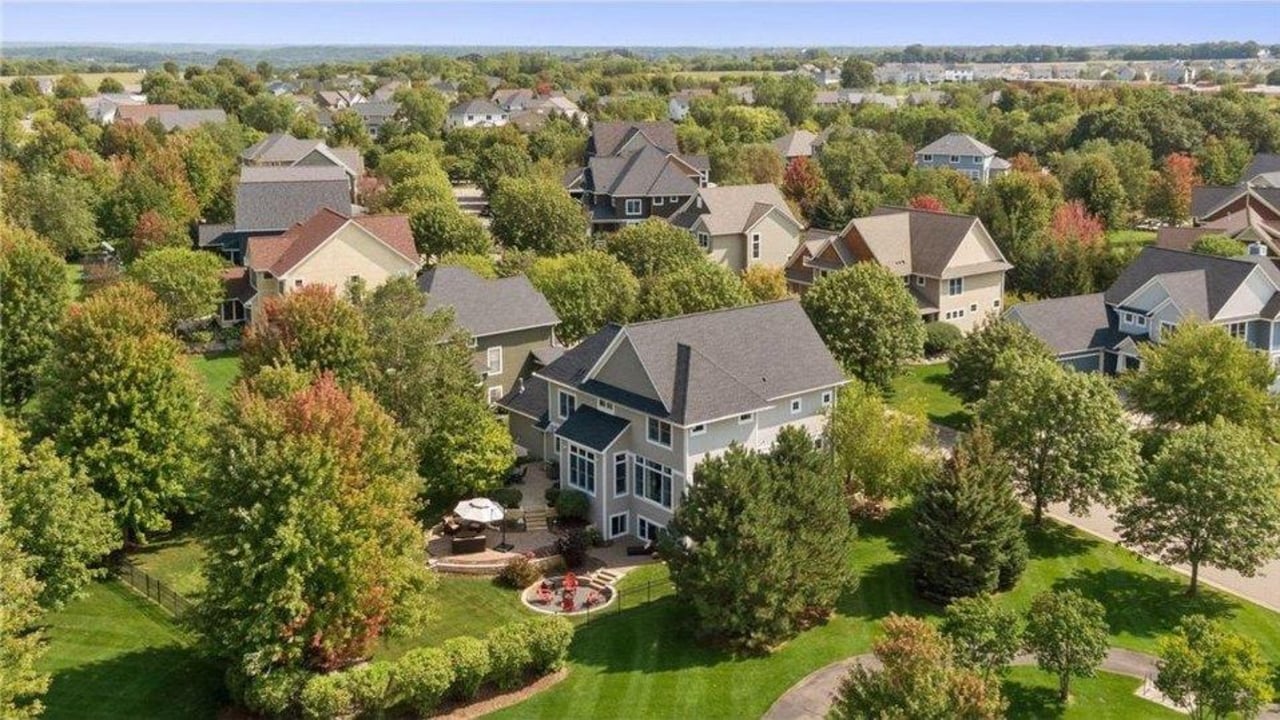
Picture a buyer who closes on a Woodbury two-story on November 20. The title company hands over the documents, the movers show up, and nobody mentions homestead. In March the county mails one property tax statement to the owner of record, and that is when the buyer learns whether anyone filed anything.
I see some version of this every fall in Woodbury, Stillwater, Lake Elmo, Oakdale, and Cottage Grove. Closings stack up between October and December, and homestead is the filing that falls between the lender, the title company, and the county. Sometimes a county form shows up in the closing packet. Sometimes it doesn’t. Either way, the filing is yours.
Search results make it worse. A 2020 agent post tells buyers to occupy by December 1 and file by December 15. Washington County and the Minnesota Department of Revenue both say December 31 now. Here is what the rules say, what the filing is worth at east metro prices, and where I watch buyers get tripped up.
Why Minnesota makes you apply
Homestead is a property tax classification, not a closing document. According to the Department of Revenue, you must own the property, occupy it as your sole or primary residence, and be a Minnesota resident. Only one homestead is allowed per married couple. The county assessor grants it.
The classification does not travel with the house. Minn. Stat. § 273.124 covers newly acquired homesteads: if you don’t request homestead classification by the deadline, the assessor classifies the property as nonhomestead for that assessment year. A seller’s homestead ends with the sale. Yours starts only when you file.
Washington County’s new homeowner page sets the practical clock: submit the application within 30 days of moving in. Plan on three things:
- Proof of occupancy. A Minnesota driver’s license or voter registration card with the new address works.
- Social Security numbers or ITINs. The Department of Revenue requires one for each occupying owner and each owner’s spouse, even if the spouse doesn’t live in the home. Washington County says refusing to provide it disqualifies the application.
- The online application. Washington County has one for county properties, and you can file once you’ve moved in.
Here is the calendar for a fall closing:
- Within 30 days of move-in: file with the county assessor.
- Mid-November: Washington County mails proposed property tax notices. Look for the property class on yours.
- December 31: last day to file for taxes payable next year.
- March: the county mails one tax statement to the owner of record.
- May 15 and October 15: the two payment dates.
What the filing is worth at east metro prices
Here are the numbers. For taxes payable 2026, the homestead market value exclusion is 40% of the first $95,000 of value, capped at $38,000. It shrinks by 9% of every dollar above $95,000 and reaches zero at $517,200. Both the Department of Revenue and Washington County publish that formula.
Washington County’s own worked example uses Woodbury in School District 833 with a tax capacity rate of 94.847%. Running that rate through the formula, with the 1.00% class rate on the first $500,000, gives these approximate yearly savings from the exclusion:
Home value | Exclusion | Approximate yearly tax savings |
|---|---|---|
$300,000 | $19,550 | $185 |
$400,000 | $10,550 | $100 |
$450,000 | $6,050 | $57 |
$517,200 and up | $0 | $0 |
Those are my calculations from the county’s published rate, not a county quote. Your parcel’s rate depends on your city, school district, and watershed district, and Washington County lists about 110 combinations.
Here is the part most agent blogs skip. The Department of Revenue’s 2026 class rate table puts a single-unit nonhomestead house in the same tiers as a homestead: 1.00% on the first $500,000 and 1.25% above. For a $700,000 home in Lake Elmo or Afton, homestead status does not cut the bill by thousands of dollars. On the state’s table, it barely changes the bill at all.
So why file? Four reasons:
- The homestead credit refund. Minnesota’s property tax refund for homeowners is income-tested and requires homestead status. Washington County says you must own and occupy the home on January 2 of the claim year. AppealDesk’s guide puts the average claim at just over $1,330, with an August 15 filing deadline. Because it is income-tested, many move-up households won’t qualify. The ones who do should not skip it.
- The special refund. If your homestead taxes rise more than 12% and at least $100, Washington County says a special refund may apply, but the property must have been homestead for both the current and prior tax year.
- Programs stacked on homestead. Classes like the blind and disabled homestead (class 1b) start from a homestead classification.
- Clean records. The Department of Revenue says you must notify the assessor within 30 days if you move, sell, or your marital status changes. Late notice can bring a penalty.
The filing is free and takes about ten minutes online. The downside of skipping it is a nonhomestead classification for the year, plus a refund you can’t claim.
Where I see buyers get tripped up
Closing in the last six weeks of the year
The December 31 date is a hard stop. The statute language for newly acquired homesteads refers to property used as a homestead on December 31, and the Department of Revenue’s page doesn’t mention the old December 1 occupancy rule. Still, I don’t trust a late December move to a rule I haven’t confirmed with the assessor.
If you close after Thanksgiving, file the week you get the keys. Offices can close or shorten hours around the holidays. If your move-in slips toward year end, call Washington County’s Assessment Division at 651-430-6175 before December 31, not after.
Missing the date has a cost. The statute points to a late application route through the county board under Minn. Stat. § 375.192, but that is a discretionary request, not a right. AppealDesk’s guide says most jurisdictions do not accept late applications. Treat December 31 as final.
Buying before you sell
This is the move-up buyer’s version of the problem, and it ties directly to the options in my guide to buying your next home before selling. Only one homestead is allowed per married couple. The home you occupy as your primary residence is the homestead. Your current home keeps its classification until you move out, and then the 30-day notice clock starts.
If you carry both homes through December, tell the assessor which house you actually live in. Your move date, your driver’s license address, and your voter registration should all agree. I’d rather you call the Assessment Division and ask than guess and get a classification letter in the spring.
Buying new construction
A builder’s lot can be assessed as land or partly built on January 2, so the first bill often understates what the finished house will cost. Homestead filing happens after you move in, on the new parcel. My new construction versus resale breakdown covers the year-two tax jump. Build that number into your escrow before the lender’s first analysis surprises you.
Selling instead of buying
If you’re the seller, your homestead ends at closing and the buyer files their own. The tax split on your side shows up as a proration line. My posts on property tax proration at a Minnesota closing and reading your seller’s settlement statement walk through that math. The Minnesota title company closing walkthrough shows where each of these lines lands on closing day.
How to file for homestead after you buy
- Confirm your dates. Write down your closing date and the day you actually move in. The 30-day clock and the December 31 deadline both key off occupancy.
- Gather your documents. You need a Minnesota driver’s license or voter registration with the new address, plus a Social Security number or ITIN for every occupying owner and each owner’s spouse.
- Apply with your county. In Washington County, use the online homestead application. Other counties have their own forms, so search your county assessor’s homestead page.
- Check the status. Call the Washington County Assessment Division at 651-430-6175 to confirm it was received. Save the confirmation.
- Verify on your paperwork. Look for the homestead classification on your mid-November proposed tax notice or the county’s online parcel record, and again on the March tax statement.
I’m a Realtor, not a tax adviser, and the county assessor makes the classification call. Treat this as a map of the process and confirm your specific parcel with the county.
Frequently Asked Questions
Is the Minnesota homestead application deadline December 15 or December 31?
December 31. The Minnesota Department of Revenue says to apply to your county assessor by December 31 to qualify for taxes payable the next year. December 15 was the former deadline and still appears in older agent blogs.
Does homestead status transfer automatically when I buy a house in Minnesota?
No. The seller’s homestead classification ends with the sale, and the buyer has to apply. If no application is filed by the deadline, Minn. Stat. § 273.124 has the assessor classify the property as nonhomestead for that assessment year.
How much does homestead status save on a $450,000 home in Woodbury?
The market value exclusion on a $450,000 home is about $6,050, which works out to roughly $57 a year using the Woodbury rate in Washington County’s worked example. Above $517,200 the exclusion is zero. The homestead credit refund is separate and income-tested.
What happens if I miss the homestead deadline in Minnesota?
The assessor classifies the property as nonhomestead for that assessment year. A late application can go through the county board under Minn. Stat. § 375.192, but it is discretionary. Call your county’s assessment office as soon as you realize it.
I’m buying before I sell my current home. Which house is my homestead?
The one you own and occupy as your sole or primary residence. Your current home keeps homestead until you move out, and you must notify the assessor within 30 days of moving. Only one homestead is allowed per married couple.
Next step
Thinking about buying or selling a home in Woodbury or the east metro and want to know what your first property tax bill will really look like? I’ll walk you through the numbers before you write an offer. Reach out at [email protected] or book a call at calendly.com/darintheminnesotan.
Darin Bjerknes | Minnesōtan, Brokered by REAL | [email protected]
About Darin Bjerknes
Darin Bjerknes is a licensed REALTOR with Minnesōtan, Brokered by REAL, serving the Twin Cities east metro for over 20 years. He specializes in move-up buyers and the luxury segment across Woodbury, Afton, Stillwater, Cottage Grove, Lake Elmo, and surrounding Washington, Ramsey, and Dakota County communities. Connect with Darin at darinbjerknes.com or call 612-702-5126.