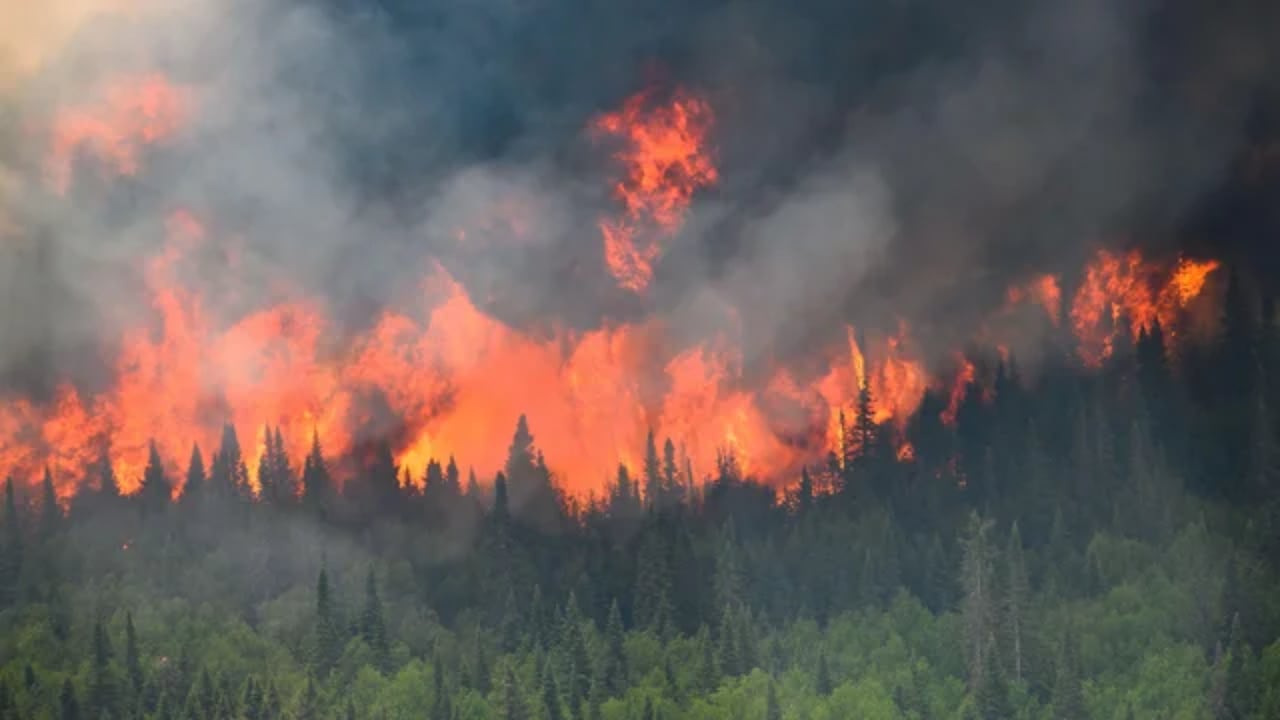
Minnesota Wildfire Smoke Forecast 2026: What Twin Cities Residents Need to Know
Minnesota Families Could Face One of the Smokiest Summers in Recent Years
Minnesota families are heading into one of the more challenging air quality seasons in recent years, and state environmental officials are encouraging residents to prepare early rather than react once smoke arrives.
The Minnesota Pollution Control Agency released its 2026 summer air quality forecast, projecting between 12 and 16 wildfire smoke days across the state. That smoke is expected to come from a combination of Canadian wildfires, fires across the western United States, and potential local wildfire activity within Minnesota itself.
For Twin Cities residents, especially those who spend significant time outdoors during the summer months, this forecast is something worth paying attention to well before peak season arrives.
Why Minnesota Could See More Smoke in 2026
The primary factor behind this year's forecast is a strong El Niño weather pattern. According to the MPCA, warmer and drier conditions tied to El Niño increase wildfire risk across large parts of North America while also reducing the weather systems that normally help clear smoke from the atmosphere.
That combination creates conditions where smoke can linger over Minnesota for longer periods of time.
The agency is also forecasting four to six days of unhealthy ozone levels for sensitive groups this summer, slightly above the state's historical average. Dry conditions, stagnant air, and extended sunny periods create ideal conditions for ground-level ozone formation, particularly in urban and suburban areas.
For many Minnesota residents, the concern is not just isolated smoke events. It is the possibility of repeated stretches of poor air quality throughout the summer.
Which Areas of Minnesota Are Most at Risk
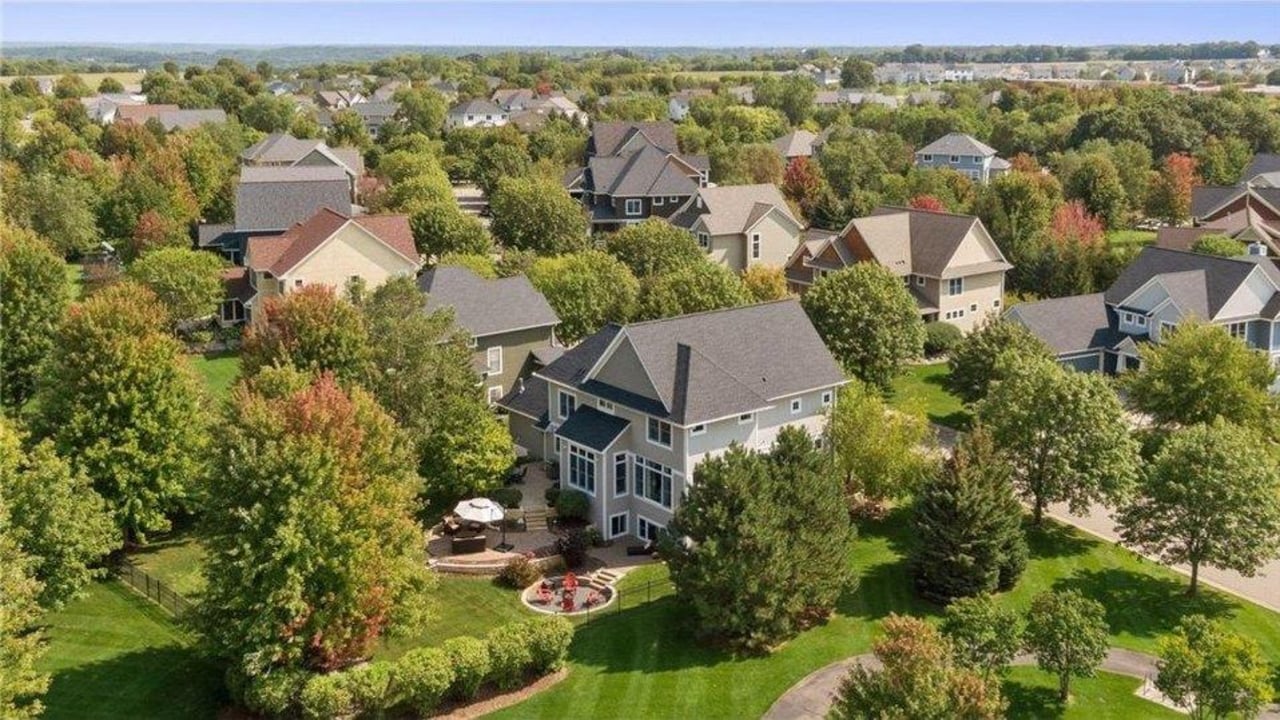
The MPCA identified the Twin Cities suburbs and southeastern Minnesota near Rochester as some of the highest-risk areas in the state for air quality impacts this summer.
That includes east metro communities such as:
- Woodbury
- Lake Elmo
- Cottage Grove
- Stillwater
- Afton
These areas are likely to experience periods where outdoor air quality reaches unhealthy levels, especially during larger regional smoke events.
Sensitive groups face the highest risks. According to the MPCA, that includes:
- Children
- Older adults
- Individuals with asthma
- People living with COPD or heart conditions
During air quality alerts, officials recommend limiting strenuous outdoor activity, especially during afternoon hours when ozone levels are often at their highest.
How Twin Cities Residents Can Stay Air-Aware
MPCA meteorologist Matt Taraldsen said staying “air-aware” will be especially important during the 2026 summer season.
One of the simplest steps families can take is checking the Air Quality Index before outdoor plans. The AirNow.gov website and mobile app provide real-time AQI readings by ZIP code, helping residents track conditions throughout the day.
The MPCA also issues statewide air quality alerts when smoke or ozone levels are expected to reach unhealthy thresholds.
Practical preparation steps for Minnesota households this summer include:
- Monitoring AQI forecasts before outdoor events
- Keeping replacement HVAC filters on hand
- Limiting outdoor exercise during smoke alerts
- Using portable air purifiers indoors if possible
- Planning indoor alternatives for children during poor air quality days
What This Means for Twin Cities Communities
For many Twin Cities families, access to outdoor recreation plays a major role in where they choose to live. Parks, trails, lakes, and backyard spaces are central parts of life throughout the east metro and surrounding suburbs.
Summers with elevated wildfire smoke are a reminder that environmental conditions also shape quality of life in a community. Air quality has become a larger part of conversations around health, outdoor activity, and long-term livability across Minnesota neighborhoods.
While smoke events may become more common in future summers, awareness and preparation can make a meaningful difference for families throughout the Twin Cities region.
Thinking about buying or selling in the Twin Cities? Let's talk. Text Darin Bjerknes at 612-702-5126 or DM on Instagram @darintheminnesotan.